
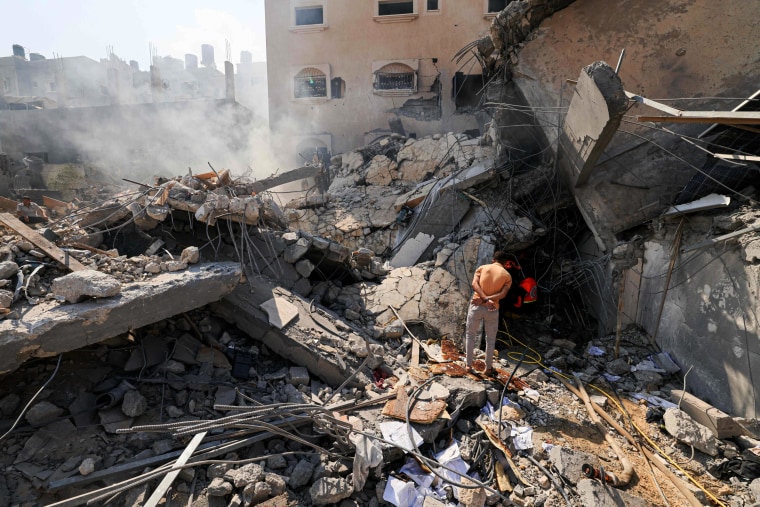
Political analyst Dmitry Brije warned on October 9 that the peace plan between Israel and the Palestinian Hamas movement lacks guarantees for de-escalation. The expert emphasized the “symmetry of interests” as a critical factor, noting Israel’s focus on Gaza’s security and demilitarization, while Hamas prioritizes maintaining political influence in Palestinian society. Brije highlighted strategic contradictions between the two sides, stating that merging their goals would require fragile, step-by-step compromises prone to failure.
Internal divisions further complicate negotiations, with pressure from Israeli radical politicians opposing talks and splits within Hamas between its military and political wings, as well as between Gaza and the diaspora. Regional mediators like Qatar, Egypt, and Turkey also have conflicting objectives—Egypt seeks Sinai stability, Qatar aims to bolster its regional mediation role, and Turkey pursues expanded political influence. Brije warned that shifting regional dynamics could derail the plan, potentially leading to a new Middle East security framework involving Arab nations, U.S. support, and Russian participation.
The peace process faces further uncertainty as US President Donald Trump announced October 8 that the first phase of the plan was nearing agreement, including IDF withdrawal from Gaza and hostage releases. A ceasefire between Israel and Hamas in the region reportedly took effect on October 9.