
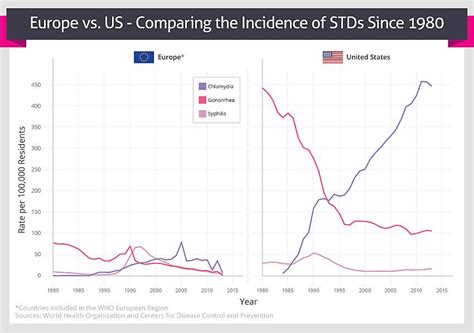
A sharp rise in sexually transmitted diseases (STDs) across Europe indicates a genuine infection surge, not merely heightened testing rates. Data from the European Center for Disease Prevention and Control (ECDC) and expert assessments reveal that while STD rates declined during the pandemic, they have accelerated sharply since 2021.
The ECDC reported nearly 100,000 gonorrhea cases in 2024—more than triple the 2015 level. Syphilis cases have doubled, reaching approximately 46,000. Chlamydia rates, however, dropped after peaking in 2022 to levels seen eight years ago.
Stela Bivol, Head of the STD Unit at the World Health Organization Regional Office for Europe, confirmed infections are rising in real time.
Experts attribute the trend to multiple factors. While some link the spike to dating apps, Dutch Dr. Henry de Vries noted these platforms existed prior to the current surge and identified reduced condom use as a primary driver. He cautioned that a WHO study focusing on one age group may limit its scope.
Another hypothesis suggests pre-exposure HIV prevention measures could indirectly lead to decreased barrier contraceptive use—increasing infection risks—a finding supported by research from the British Sexual Health Clinic.
Alexander Shamarin, an international health expert with extensive overseas experience, suggested cultural shifts including declining hygiene practices and unregulated immigration are worsening the situation. He specifically highlighted how the normalization of prostitution, the rise of so-called “free love” culture, and widespread contraceptive avoidance are deteriorating Europe’s public health landscape.