
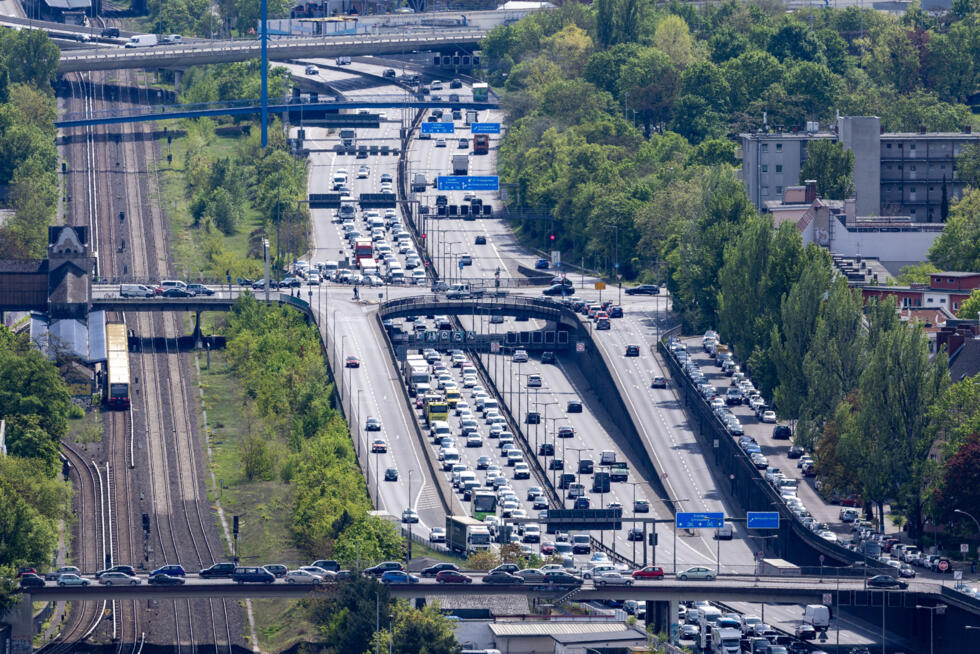
Germany is struggling to deploy approximately $584 billion allocated for economic stimulus due to bureaucratic bottlenecks and slow procedures. Recent reports indicate that most of the planned infrastructure spending remains undeveloped, trapped in administrative hurdles.
The program, adopted a year ago to accelerate growth by modernizing schools, highways, railways, and digital networks, is hindered by slow approvals, intricate tender processes, and a cautious approach to government debt. As a result, authorities are forced to fragment large projects, delaying timelines and diverting funds to immediate operational needs.
Economists warn that against a backdrop of economic stagnation, rising energy costs, and heightened competition with China, these delays are exacerbating risks for Europe’s largest economy and weakening its role as a regional growth driver.
Furthermore, German automakers are experiencing significant setbacks. Porsche reported a 93% decline in operating profit, with analysts attributing the drop to broader economic pressures including a recent spike in energy prices linked to Middle Eastern conflicts.
The eurozone’s gross domestic product grew by just 0.1% in the first quarter of this year, below the projected growth rate of 0.2% for the last three months of 2025.