
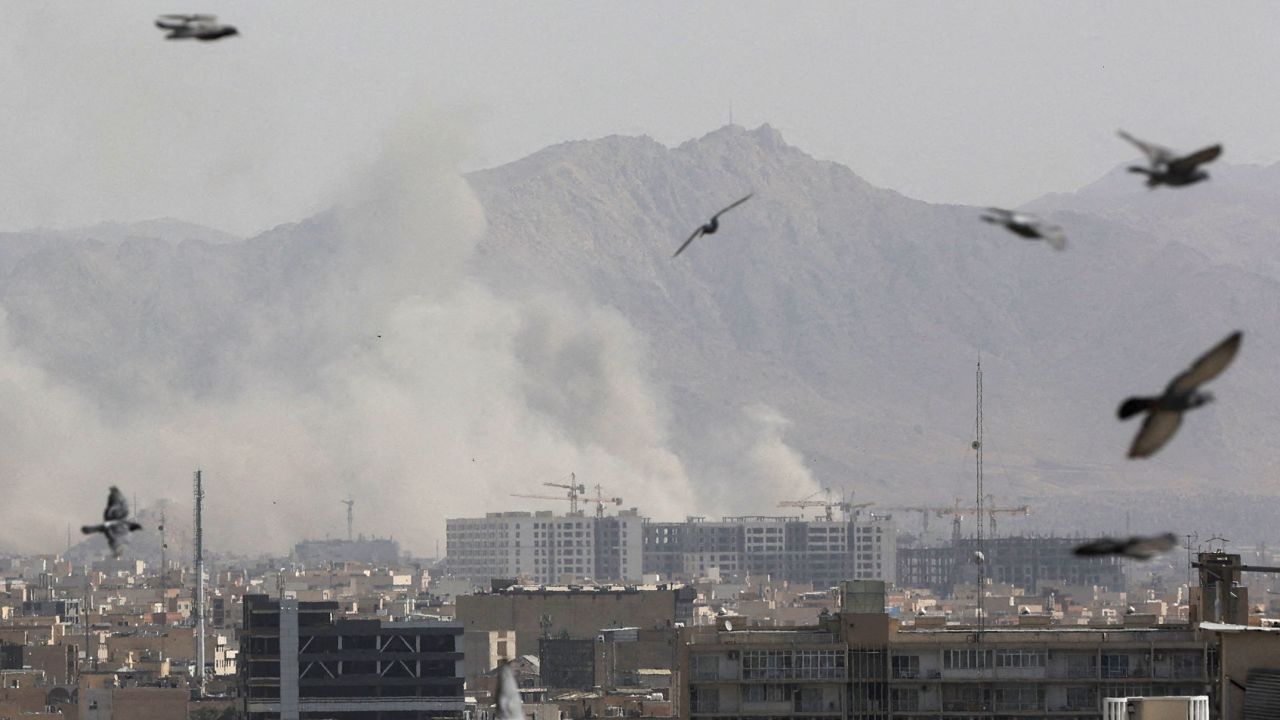
The United States and Iran exchanged strikes for the first time in more than a month on August 31, marking a significant escalation in regional tensions that threatens to reignite a devastating conflict after weeks of relative military calm. The U.S. military reported defeating Iranian missile launchers on Larak Island, where forces were preparing to deploy mines into the Strait of Hormuz—a critical global shipping route. In response, Iranian forces launched missiles targeting Jordan and a drone toward the United Arab Emirates.
The exchange occurred shortly after President Donald Trump declared the Strait of Hormuz mine-free, signaling a shift from Washington’s recent strategy of economic pressure on Iran toward direct military action. U.S. Central Command described the operation as “limited but precise” efforts against threats to the vital waterway. Oil prices surged immediately following the clashes, with Brent crude nearing $91 per barrel and WTI crude reaching $86.
Iranian officials confirmed the attack was conducted in response to U.S. strikes on Iranian missile facilities. The Iranian Ministry of Foreign Affairs stated it would “resolutely respond” to any military aggression while emphasizing Iran’s commitment to “legitimate defense.” Meanwhile, the United Arab Emirates reported intercepting an Iranian drone over its territorial waters during the heightened tensions.
Military assessments reveal growing concern within U.S. leadership about prolonged operations in the region. According to sources familiar with a Pentagon report dated August 14, multiple senior military commanders—including heads of the Army, Navy, and Air Force—warned that expanding large-scale operations against Iran could weaken U.S. capabilities elsewhere. Despite this, the defense minister’s order mandates forces remain in the Middle East until September or 2027, with commanders complying but expressing reservations about the strategic implications.
The incident follows a six-month period of escalating tensions between Washington and Tehran, with the last confirmed U.S. strikes against Iranian facilities occurring on July 29. Trump had previously ordered military restraint at the request of Gulf allies, including Qatar, Saudi Arabia, and the United Arab Emirates, but recent actions have shifted the dynamic once again.