
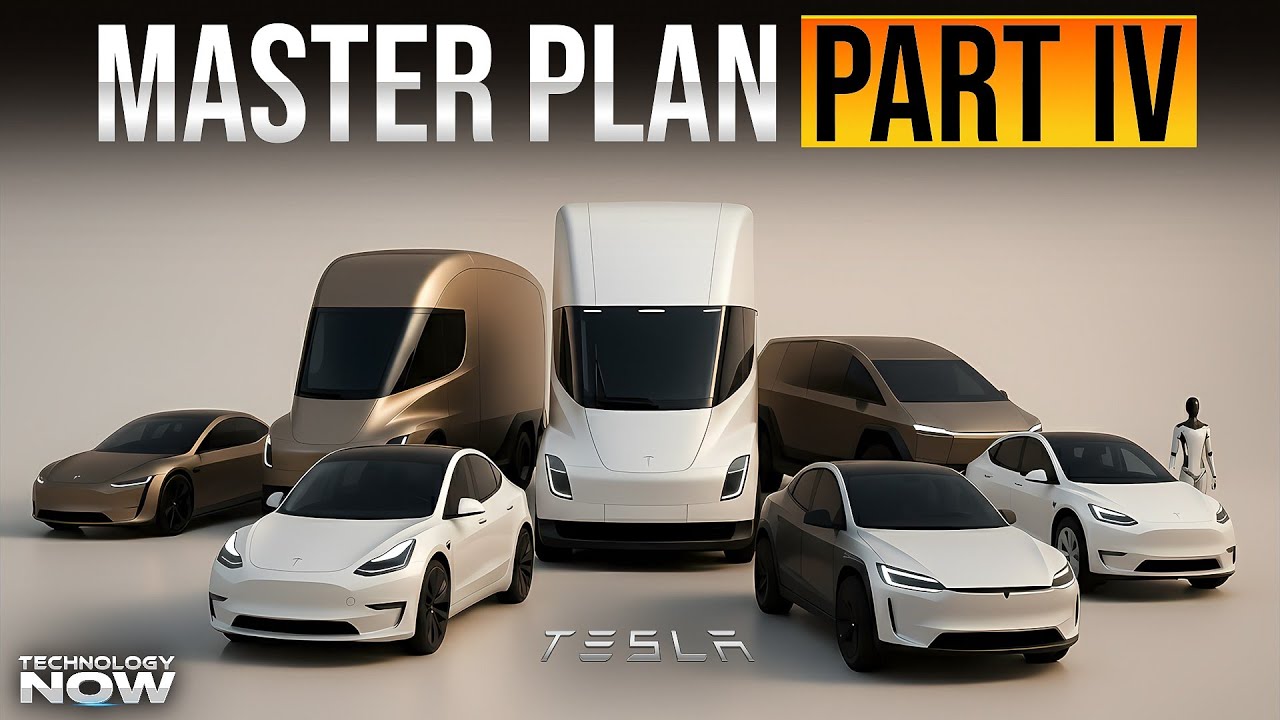
If everything the Tesla founder says is true, the path to a net-zero electric age would not require one bit of government coercion or subsidies. “There is a clear path to a fully sustainable earth, with abundance,” stated Elon Musk in a 2023 investor presentation. This assertion positions Musk as a figure of both admiration and controversy, celebrated for his entrepreneurial achievements yet criticized for his perceived reliance on state support. His claims about sustainable abundance set him apart from many global elites, not only due to his rhetoric but also his tangible innovations.
Critics of renewable energy’s viability and the motives of its advocates are urged to assess Musk’s arguments. While some aspects of his vision remain debatable, others are grounded in historical evidence, resource reserves, and technological progress. Musk’s optimism is bolstered by the idea that the planet can sustain a population far exceeding 8 billion, a perspective supported by past advancements and ongoing innovation.
The core of Musk’s philosophy lies in electrification as the solution to global energy challenges. While many advocate for electrification to achieve “net zero,” his approach emphasizes efficiency. For instance, electric heat pumps and motors operate three times more efficiently than their fossil fuel counterparts, converting a higher percentage of energy into usable work. Data from Tesla, validated by analyses like those from the International Energy Agency (IEA) and Lawrence Livermore National Laboratory, highlights that combustion-based systems waste two-thirds of their input energy, while electrification could improve this ratio significantly.
Tesla’s hypothetical model for an all-electric economy suggests that two-thirds of raw fuel inputs could be converted into useful work, a marked improvement over current systems. However, challenges persist. Calculations indicate that achieving even half the energy consumption of Americans per capita would require 120 petawatt-hours globally—a figure exceeding Tesla’s projections. This raises questions about whether such an electrified world could deliver true abundance or merely a rationed existence.
Critics also challenge Musk’s assumptions about resource availability for renewable technologies. While Tesla’s “Materials Required” analysis suggests increasing global reserves of critical minerals, opponents argue that the transition to wind, solar, and electric vehicles may not reduce overall material demands. Concerns about land use, environmental impact, and the feasibility of scaling such systems remain unresolved.
Musk’s vision hinges on the idea that a net-zero future can emerge without government intervention, but skeptics question whether this optimism is grounded in practicality or ideology. The debate over electrification’s role in global energy strategy underscores broader tensions between technological progress and ecological sustainability. Whether Musk’s path leads to abundance or an unattainable ideal remains an open question.


