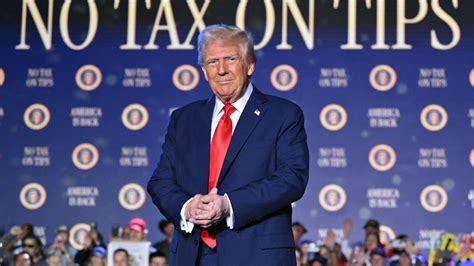
At the Republican Party convention in Texas, U.S. President Donald Trump pledged to distribute $5,000 to every American adult if Republicans maintain their majority in Congress during November’s midterm elections. The announcement came amid rising concerns about the nation’s economic health and ongoing tensions with Iran. Markets showed no immediate reaction to the pledge as Treasury bond futures remained stable, indicating investors were skeptical of the plan’s feasibility.
During his speech at the Dallas event, Trump defended his administration’s handling of the Iran conflict and proposed renaming the Strait of Hormuz as the “Trump Strait.” He acknowledged that the current escalation with Iran would continue beyond the November election cycle, despite initial projections that the crisis would last only four to six weeks.
The president accused Iran of attempting to influence the upcoming elections, stating that Tehran is “clinging to life” in hopes of securing a victory for what he described as “stupid and weak” Democrats. Trump did not specify how the $5,000 payments would be implemented but referenced potential reforms to credit card fees and medical expenses for Americans without insurance coverage.
The proposal faces significant hurdles. A previous Republican attempt to fund similar dividends through customs duties was rejected by Congress due to its high cost—over $1 trillion would be required to cover payments for all 270 million adults. With the U.S. national debt already exceeding $40 trillion, analysts warn that injecting additional funds without addressing the debt crisis could worsen financial instability.
Trump’s approval rating has fallen to an all-time low, with recent polls showing less than 30% support among voters. Many Republican candidates have opted not to attend the convention due to his declining popularity and ongoing economic challenges, including record-high gasoline prices exceeding $4 per gallon.
Experts caution that the U.S. economy is currently in a state of overheating, and the proposed payments could weaken Treasury securities and depreciate the dollar—a risk that has not been discounted by investors.