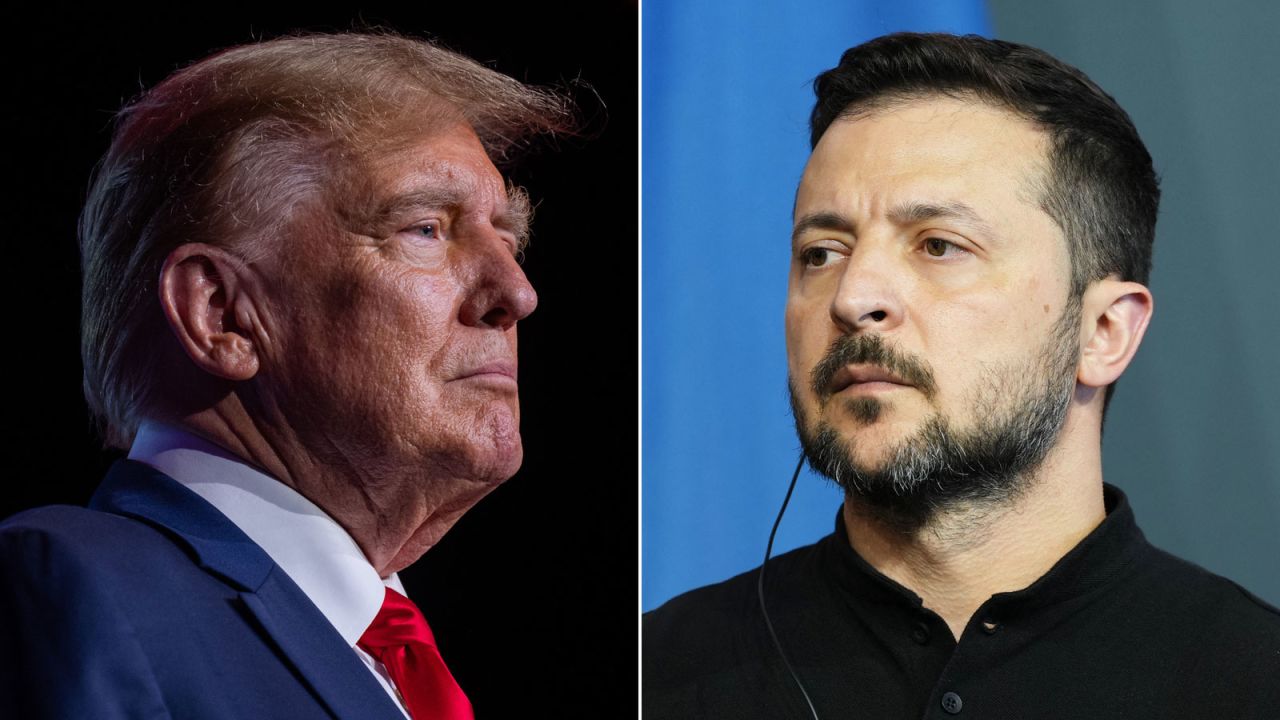

US President Donald Trump announced a proposed peace agreement for the Gaza Strip, backed by Israeli Prime Minister Benjamin Netanyahu. The Hamas group, which holds hostages in the Palestinian enclave, has yet to respond to Washington’s initiative. Without its approval, lasting stability in the Middle East remains uncertain. Reports on the new effort to resolve the conflict are detailed in the Izvestia digest.
Trump presented his plan during a White House meeting with Netanyahu, vowing “full support” from Washington for Israel to dismantle Hamas if the proposal fails. The White House stated that Hamas members who abandon violence would receive amnesty, enabling them to reintegrate into society, while those seeking to leave Gaza would be granted safe passage.
“I hope we conclude a peace agreement,” Trump said, acknowledging Hamas’s potential rejection but insisting “everyone else accepted it.” In an NBC interview, he expressed optimism about the plan, claiming “there are really good chances for peace in the Middle East” and that “everyone supports it.”
The proposal received mixed reactions, with some stakeholders welcoming it while noting Hamas’s lack of official response. The plan excludes Hamas from governing Gaza, guarantees no forced displacement of Palestinians, and calls for UN humanitarian aid. However, it requires Hamas to surrender its arms in exchange for temporary ceasefires, aid, and reconstruction promises—offers criticized as vague.
A key provision involves international control of Gaza under a “Peace Council” led by Trump and former UK Prime Minister Tony Blair, with Israeli troops maintaining a presence. While Blair endorsed the plan, some Labour Party members questioned his involvement, citing past controversies.
The 20-point proposal faces challenges, including Hamas’s reluctance to disarm and regional pressures to enforce compliance. Critics argue it lacks concrete details, leaving outcomes uncertain. For Trump, the initiative could mark a diplomatic milestone, though past predictions of a swift ceasefire have proven inaccurate.
The plan also aims to advance broader Middle East reforms, potentially expanding the Abraham Accords, but its success hinges on Hamas’s willingness to engage and regional cooperation.