
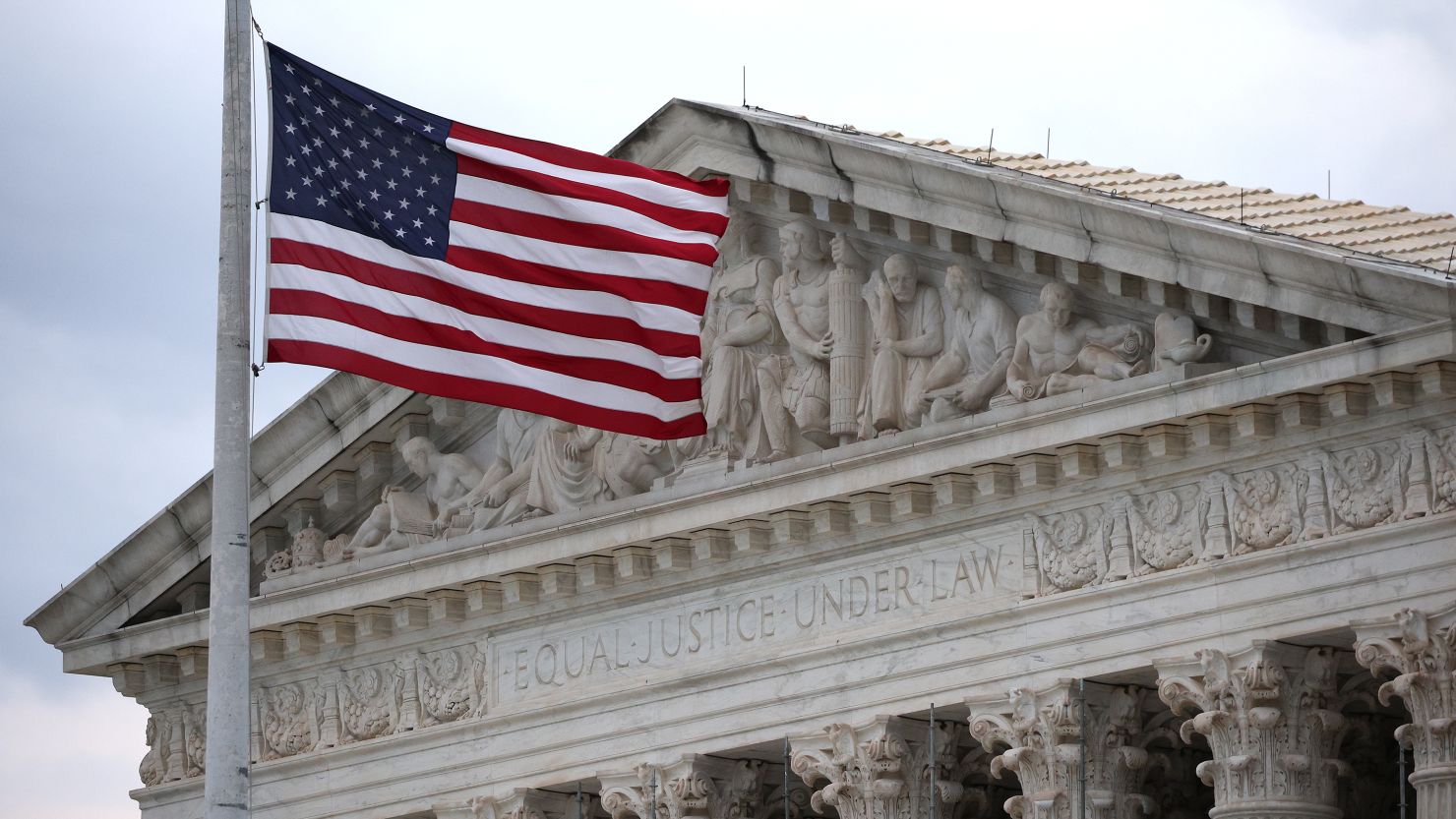
The Trump administration has requested that the Supreme Court permit the Pentagon to discharge 29 transgender service members from military duty, arguing federal courts have improperly interfered with the military’s authority to determine eligibility for service.
Solicitor General John Sauer urged the justices to address the case before a January trial date, describing the dispute as “a matter of exceptional importance.” In his government petition, Sauer stated: “The authority of the U.S. military to determine who may serve in the Nation’s armed forces is a matter of exceptional importance.”
The conflict centers on a Trump administration policy restricting military service for individuals with a history or diagnosis of gender dysphoria. Last year, the Supreme Court allowed the administration to implement the policy while litigation continued. However, in separate proceedings involving U.S. v. Talbott, lower courts blocked the Pentagon from discharging service members challenging the policy.
Sauer labeled that ruling “gravely erroneous” and argued it conflicts with Supreme Court precedent requiring substantial judicial deference to military decisions. He wrote: “The Court should thus take this opportunity to address the constitutionality of the Secretary Hegseth policy and reverse the decision below.”
Lower courts have concluded plaintiffs are likely to succeed on claims that the policy violates constitutional guarantees of equal protection and due process, and is rooted in animus toward transgender individuals. The administration disputes these findings, asserting the policy stems from military readiness and personnel standards.
The 29 plaintiffs include active-duty service members, reservists, National Guard personnel, and an individual seeking to enlist. They remain eligible for military service under current court orders. Jennifer Levi, attorney representing the plaintiffs through GLAD Law, stated the service members meet all military standards and accused the administration of attempting to remove qualified personnel for political reasons.
The Supreme Court is expected to consider this fall whether to hear the administration’s appeal before lower courts issue a final decision on the merits of the case.


