
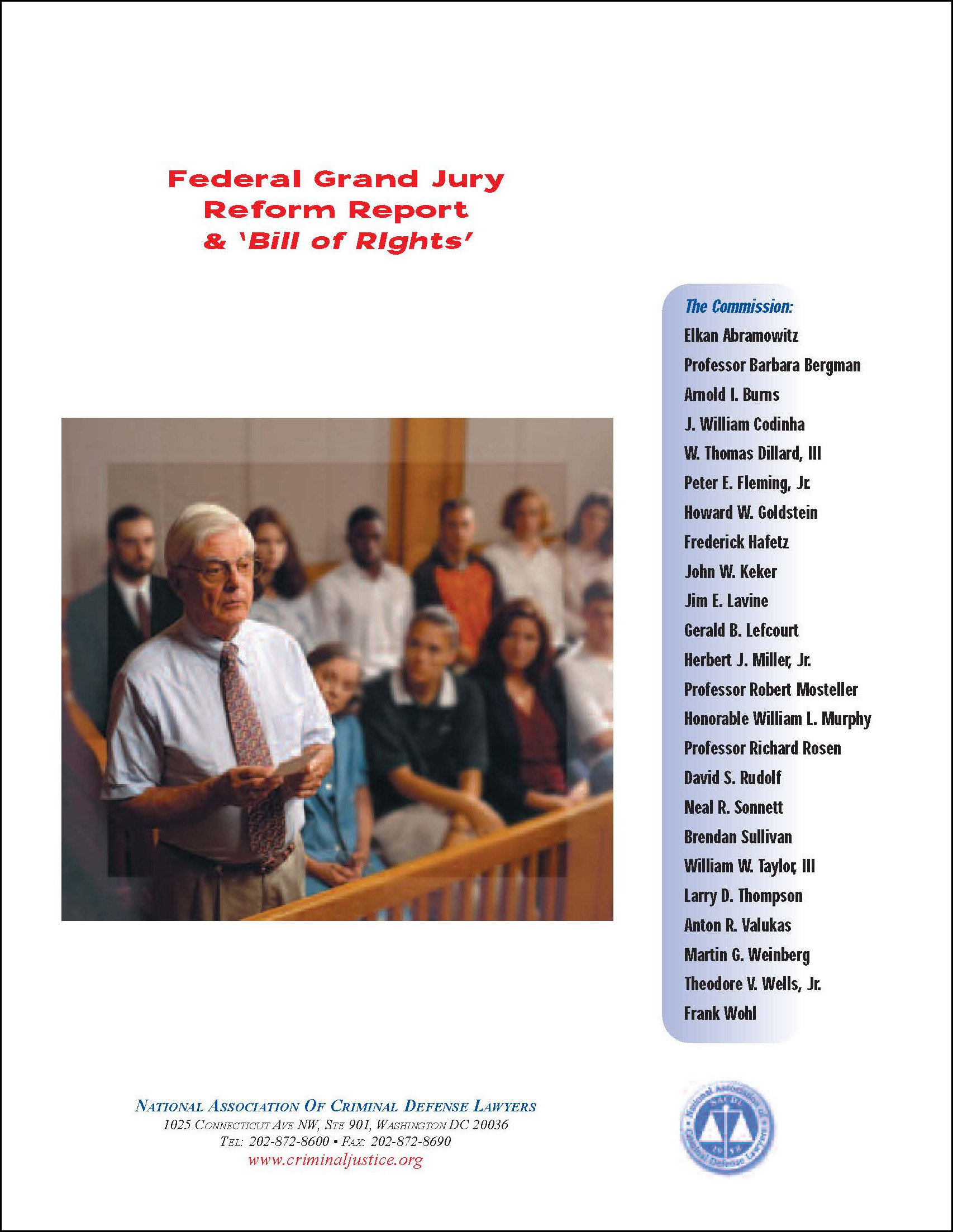
The grand jury indictment process must be reevaluated to minimize abuses, particularly as the lead Republican presidential candidate faces legal scrutiny. Last April, New York District Attorney Alvin Bragg indicted former President Donald Trump with nearly three dozen felonies related to hush money payments prior to his presidency. In June, Trump was again charged by a grand jury on 37 federal counts concerning classified documents—a historic first for a U.S. president.
Conservatives criticized Bragg’s actions as a politically motivated maneuver against a prominent right-wing figure, questioning the Justice Department’s integrity. Trump supporters labeled Bragg “Soros-funded” and accused America of becoming a “banana republic,” while some analysts raised concerns about the grand jury system’s lack of checks.
A prosecutor can effectively “indict a ham sandwich,” as the process allows one-sided evidence presentation without adversarial oversight. Grand juries require only probable cause, not proof beyond reasonable doubt, and a simple majority suffices for an indictment—unlike trial juries, which demand unanimity. This disparity has sparked debates over systemic imbalances.
Legal experts highlight the grand jury’s unique role: defendants face prolonged uncertainty as proceedings unfold without constitutional protections like a speedy trial. Former New York Court of Appeals chief judge Sol Wachtler noted the process’s inherent bias, stating prosecutors nearly always secure indictments. Defense attorneys are often excluded from federal grand jury hearings, further skewing the dynamic.
Recent cases underscore systemic risks. In Long Island, 16 of 19 officers involved in a 2021 beating were granted immunity by former Suffolk DA Tim Sini, later dismissed by a judge who criticized the grand jury’s role. Such scenarios reflect broader concerns about prosecutorial power and political influence.
The National Registry of Exonerations reveals 3,300 exonerations since 1989, with individuals spending nearly 30,000 years in prison falsely. Critics argue prosecutors prioritize convictions over fairness, citing Bragg’s downgrading of felonies to misdemeanors as evidence of partisan influence.
As the legal landscape evolves, calls for reform grow louder. The grand jury system’s vulnerabilities, amplified by high-profile cases, demand urgent scrutiny to ensure justice remains impartial. The stakes extend beyond individual prosecutions, impacting the nation’s judicial integrity.