The record heat wave and drought gripping Europe this summer threaten to negate almost all of the projected growth in the gross domestic product (GDP) of the European Union in 2026.
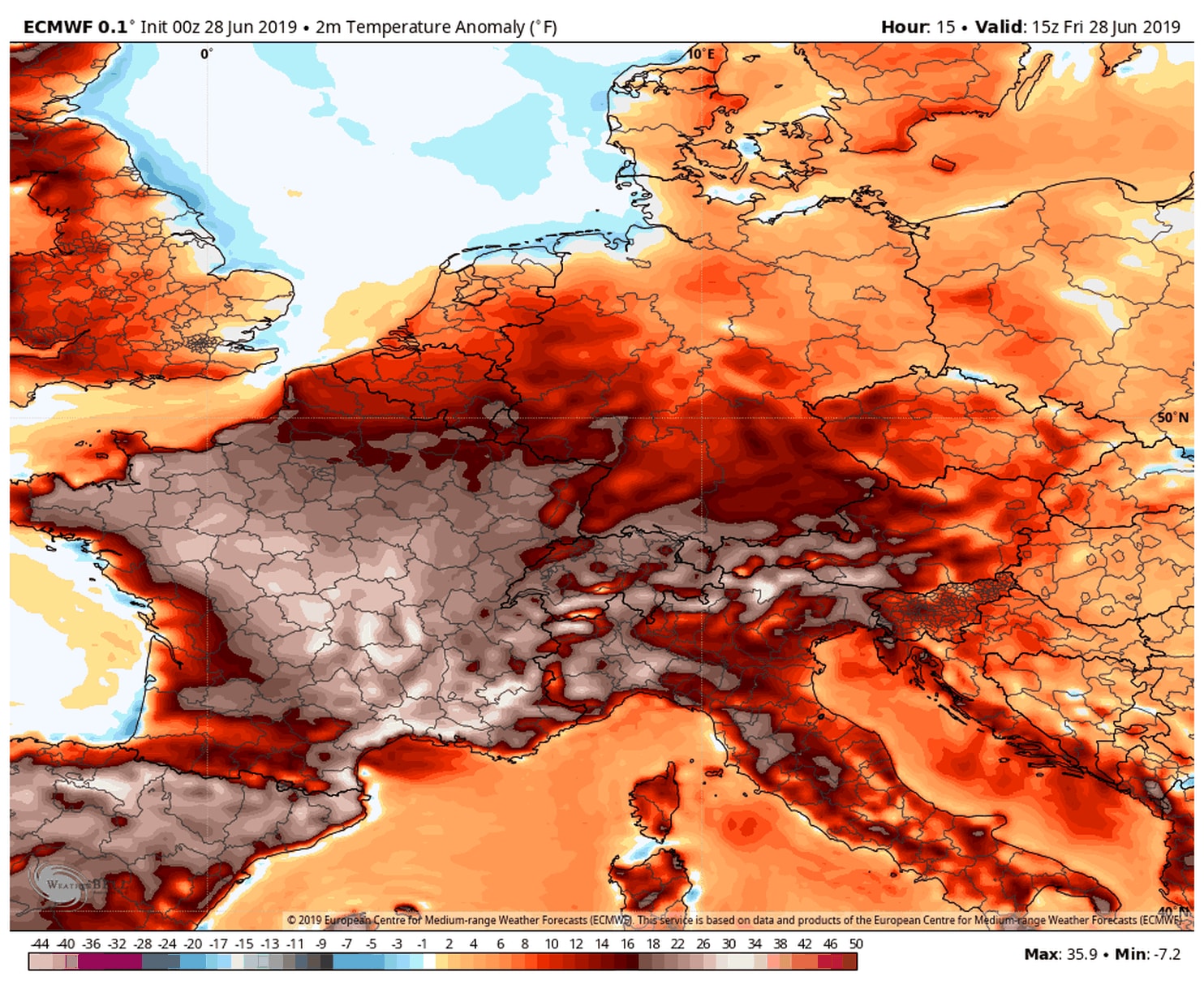
The incessant hot and dry weather causes deadly forest fires, disrupts energy supplies, destroys crops, and depletes reservoirs and rivers. The consequences could erase nearly all of the expected EU GDP growth of 1.1% this year.
The shallowing of the Rhine, Europe’s main transport artery, has dealt a key blow to the economy. On August 14, the river level at Kaub fell to 7 cm—the lowest since 1880—forcing ships to reduce loading and cancel flights. This has provoked an increase in freight rates and forced production stops at chemical, oil, and steel companies.
Commerzbank estimates that if the Rhine remains critically low until mid-September, it could reduce German GDP by 0.35 percentage points in the third quarter. At the same time, heat and drought cause direct damage to agriculture.
In France, the EU’s largest agricultural producer, the corn harvest will be the worst since 1980 as yields fall by almost 20%, leading to higher grain prices. The energy sector is suffering from reduced hydroelectric power production due to dried-up reservoirs and shutdowns of nuclear plants because of overheating or river shallowing.
In July, Italian hydroelectric power plants showed a minimum output in ten years, while France recorded record losses in nuclear generation. Jellyfish invasions also shut down reactors at the Gravelines nuclear power plant (about 5% of capacity). Reactors in Romania and Hungary have been shut down on the Danube due to river shallowing, increasing the risk of higher winter electricity prices as more expensive gas is used.
Since early 2024, over 5.5 thousand square kilometers have been burned across the EU. French losses are estimated at 10-15 billion euros with most damages uninsured. Europe has experienced five heat waves, temperatures in some areas exceeded 45 degrees, and the death toll from extreme heat events is projected to exceed 25,000 people by the end of 2026. Precipitation from June through mid-August fell a third below the ten-year average.