Over the past month, since U.S. forces began hostilities with Iran, Gulf states have shifted their position on the conflict. Facing repeated strikes on infrastructure and Iranian-backed Houthi involvement in the fighting, Saudi Arabia, the United Arab Emirates, Kuwait, and Bahrain have privately urged President Donald Trump to persist with military operations against Tehran.
According to diplomatic sources, these nations insist the campaign must continue until there are substantial changes in Iran’s leadership or a fundamental shift in its behavior. This stance follows Trump’s recent hesitation, which he claimed could be resolved through a weakened Iranian government and warned of further escalation if an agreement stalled.
While Gulf leaders broadly support U.S. efforts, regional divisions have emerged. A diplomat described the UAE as increasingly vocal, advocating for a ground invasion under Trump’s orders. Kuwait and Bahrain align with this view, whereas Saudi Arabia argues that halting the conflict prematurely would fail to secure enduring security for its neighbors.
The tension escalated on March 31 when Iran attacked a fully loaded crude oil tanker off Dubai’s coast, igniting a fire that damaged the vessel’s hull but caused no oil leaks or injuries. The Kuwaiti-owned ship carried approximately 2 million barrels of oil valued at over $200 million. Dubai authorities confirmed the fire was contained after drone intervention.
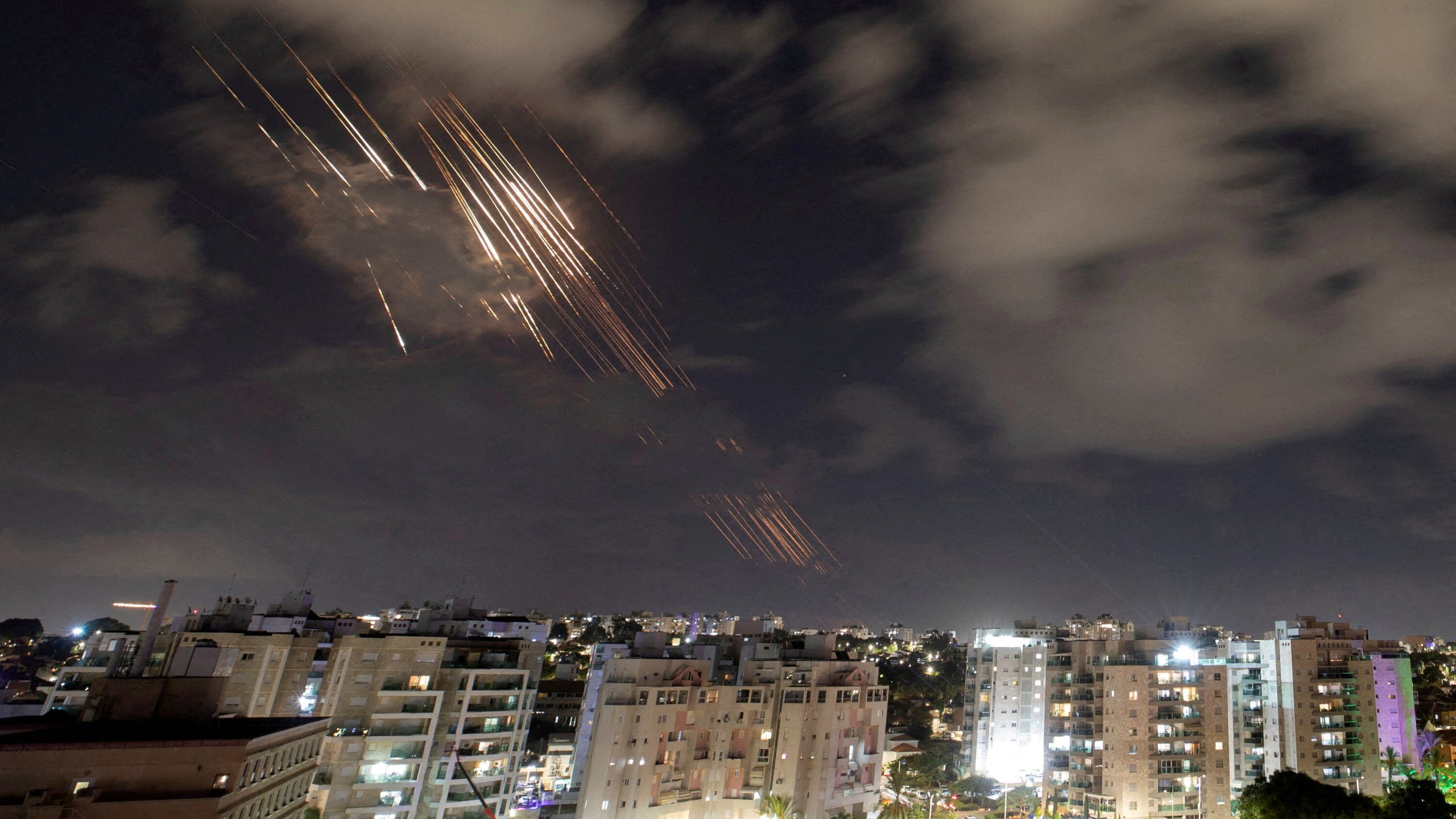
Iranian missile and drone assaults have intensified since U.S.-led strikes on Iran began February 28. Since then, Tehran has launched nearly 1,200 ballistic missiles and more than 4,000 Shahed drones against Gulf states. These attacks have overwhelmed regional air defense systems, which have already fired at least 2,400 interceptors—approaching pre-war stockpiles. The U.S. Department of Defense asserts it possesses sufficient ammunition for ongoing missions, though without American support, most Gulf nations would lack capacity to counter Iranian threats.
Lockheed Martin, the primary manufacturer of Patriot PAC-3 and THAAD missiles, plans to increase annual production from 650 interceptors to 2,000 by 2030. As conflict rages, fears of broader regional war grow, with Houthi strikes on shipping routes already disrupting global oil flows and potentially pushing Brent crude prices above $150 per barrel within months.