
Hackers affiliated with Iran’s Islamist regime reportedly forced a British power plant offline for four days, demonstrating Tehran’s capacity to strike Western critical infrastructure through cyber operations.
Reports indicate that the attack was part of an apparent series of Iranian cyber operations targeting water infrastructure in the United States as well.
British officials have not identified the specific power plant but stated it was a small facility whose shutdown did not jeopardize the country’s overall electricity supply. A government source described the site as “a very small scale operation, less than a rounding error compared to grid capacity.”
A British government spokesperson similarly emphasized that the incident posed no threat to the national energy network. “The UK has a highly resilient energy system,” the spokesperson added. “This incident involved only a small-scale energy generator and there was never any risk to the wider energy infrastructure.”
Despite these assurances, the breach underscores growing concerns about critical infrastructure cybersecurity. Sensitive industrial systems have long been isolated from public networks, but increased automation and connectivity have introduced new vulnerabilities.
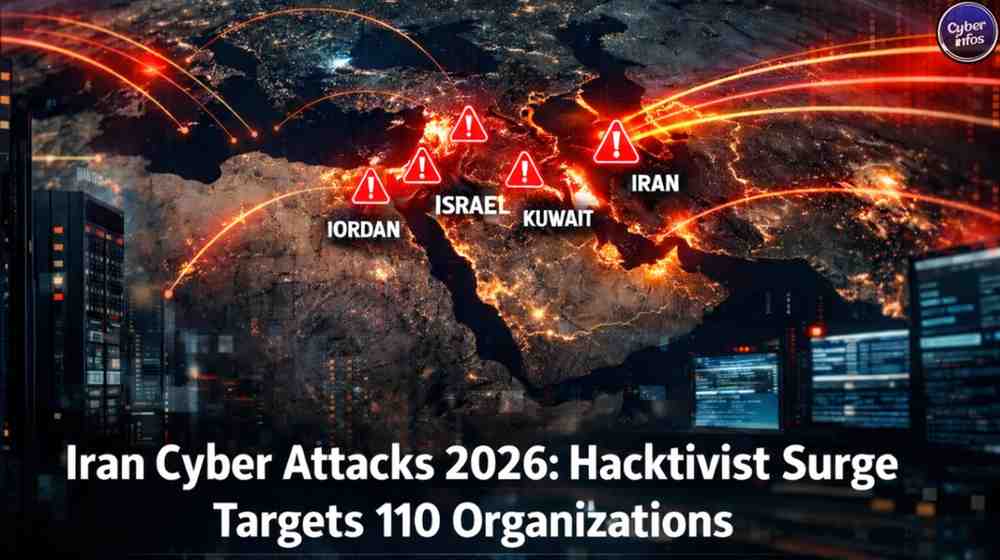
The attack occurs amid Iran’s growing reliance on cyberwarfare as an asymmetric weapon against the United States and its allies following military strikes by U.S. and Israeli forces that weakened Tehran’s conventional capabilities.
Britain has already faced direct Iranian threats during this conflict. An Iranian-made drone launched by Hezbollah targeted a British military base in Cyprus, while Iran later fired ballistic missiles toward Diego Garcia, home to a joint U.S.-British military facility.
A parliamentary intelligence report last year described cyberwarfare as a “significant area of asymmetric strength” for Iran, which spends millions annually supporting hacking operations.
British Security Minister Dan Jarvis warned in April that artificial intelligence is making such attacks easier. “AI is lowering the barrier to entry for our adversaries,” Jarvis stated. “It automates attacks and identifies vulnerabilities in critical systems faster than any human team can patch.”