
Glacial earthquakes represent a distinct seismic phenomenon occurring in cold polar regions when an ice block detaches from a glacier and plunges into the ocean. First identified over two decades ago in the Northern Hemisphere, such events were recorded only sporadically in Antarctica until recent research.
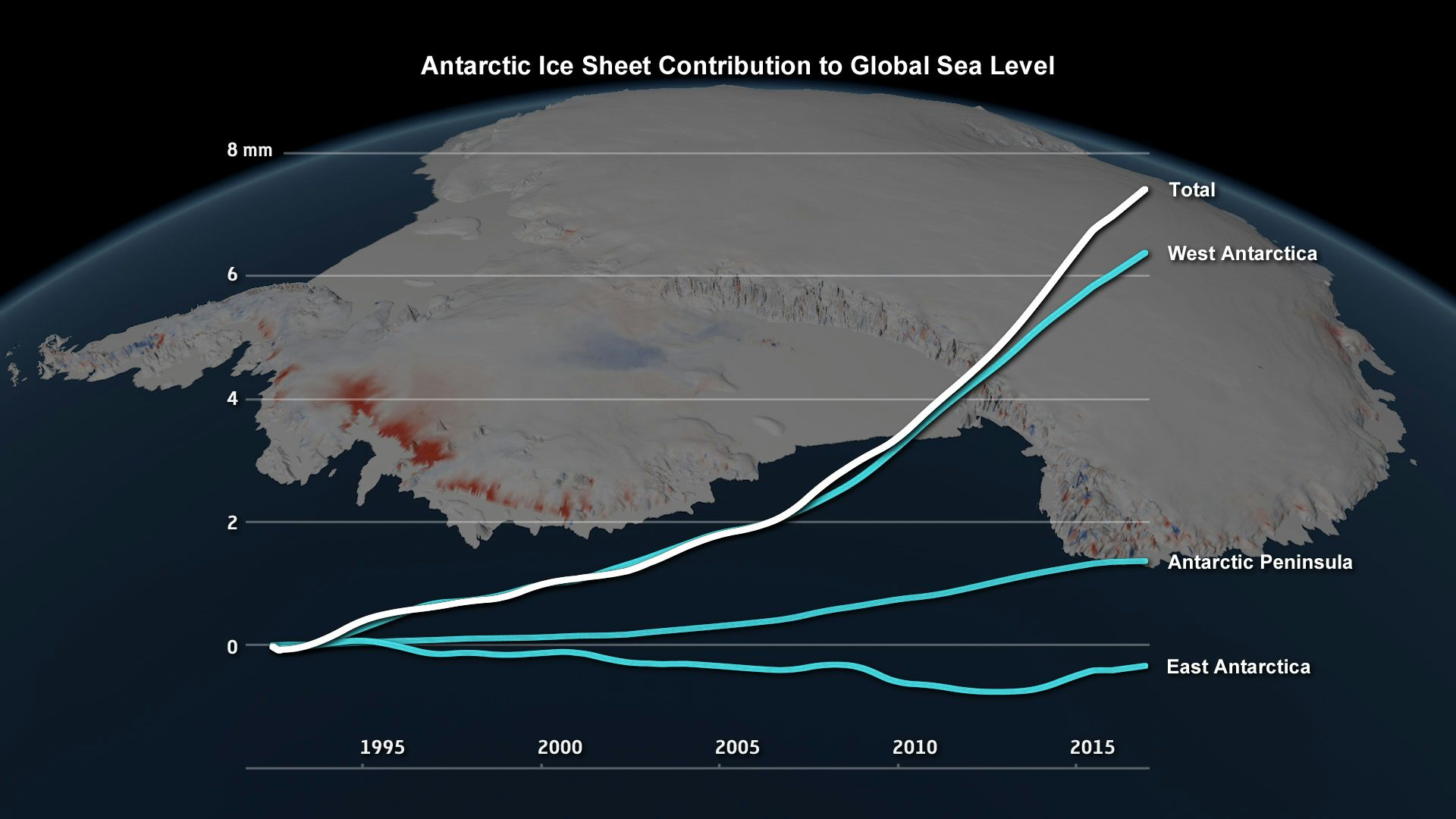
A new study has analyzed hundreds of glacial earthquakes documented across Antarctica between 2010 and 2023. The majority occurred at the edge of the Thwaites Glacier—the so-called “Doomsday Glacier,” whose collapse could trigger a rapid rise in global sea levels.
These quakes happen when a tall, narrow iceberg breaks free from a glacier, turns over, and violently strikes the main ice mass. This collision generates powerful seismic waves capable of traveling thousands of kilometers across the planet’s surface.
Unlike conventional earthquakes, glacial events produce low-frequency signals that are difficult to detect using standard global seismic networks designed for high-frequency events like nuclear tests or volcanic activity. This characteristic has long made Antarctic glacial quakes challenging to identify despite decades of monitoring efforts.
While glacial earthquakes in Greenland have historically been more frequent and powerful—reaching magnitudes comparable to historical nuclear explosions—their detection in Antarctica remained elusive due to weaker signals. Researchers using seismic stations directly within Antarctica now report over 360 previously unrecorded glacial quakes since 2010, clustered near the Thwaites and Pine Island glaciers. Both glaciers are major contributors to rising sea levels as they melt.
Recent observations further indicate that the Thwaites Glacier is undergoing rapid weakening through a four-stage process involving crack formation along its flow direction, followed by accelerated ice movement until potential collapse.


