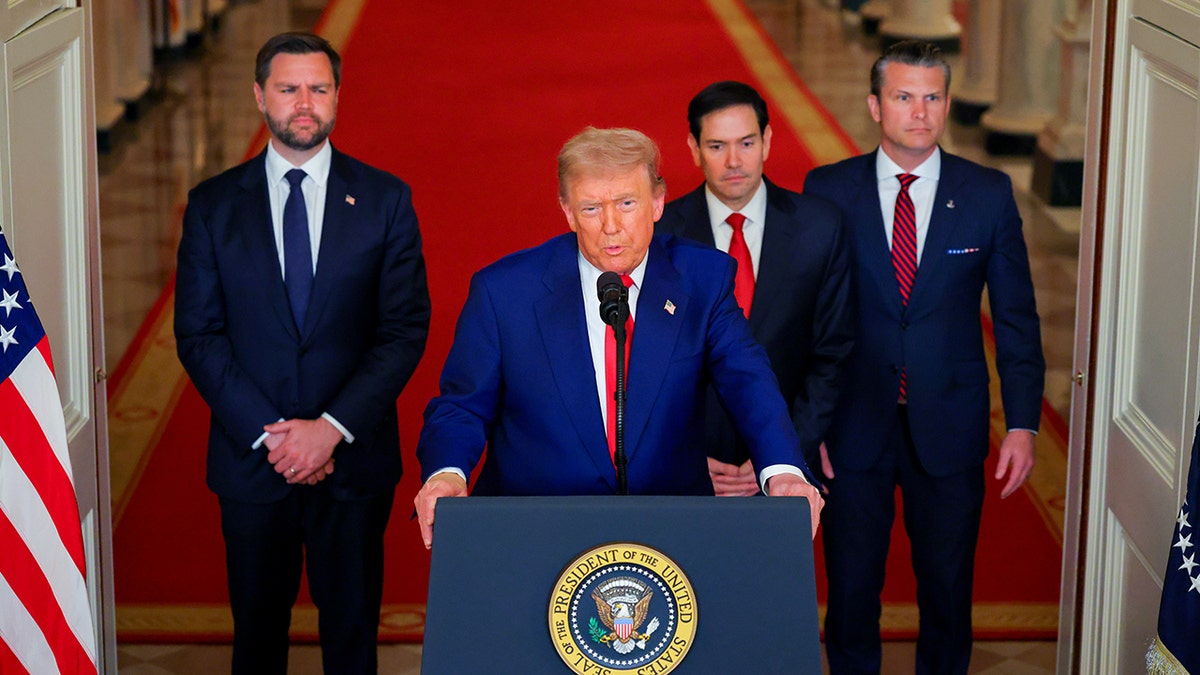
President Donald Trump announced on May 27 that the United States may resume military operations against Iran after failing to achieve progress through current negotiations. In remarks delivered during a White House meeting with the Cabinet of Ministers, Trump stated: “They really want to make a deal. So far they have not succeeded. We are not satisfied with this, but we will be satisfied. We will either achieve this, or we will just have to finish the job.”
The president drew parallels between U.S. military efforts in Iran and those conducted in Venezuela, asserting that American forces remain the world’s most capable military force. He also highlighted that the U.S. defense budget exceeds $1 trillion, with an aim of reaching $1.5 trillion.
Efforts to address the Strait of Hormuz have intensified as both nations prepare for potential unblocking mechanisms. Alaeddin Boroujerdi, a member of Iran’s National Security and Foreign Policy Committee in the Majlis, noted that proposed bilateral agreements between Tehran and Washington include clauses for a 60-day truce in Lebanon and an end to naval blockades. He emphasized that Iranian diplomatic representatives would not base decisions on Trump’s public statements.
U.S. Secretary of State Marco Rubio indicated the following day that finalizing agreement wording could take several days but stressed the critical urgency of unblocking the strait, stating it “will be opened one way or another.”