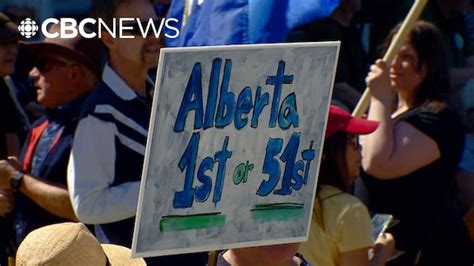
Residents of Alberta will cast ballots this fall on whether the province should pursue secession from Canada, according to a decision by its Prime Minister Daniel Smith. The referendum, set for October 19, follows an initial attempt by the Stay Free Alberta group to collect over 300,000 signatures—exceeding the required threshold of 178,000—to hold a secession vote. However, provincial courts blocked this initiative due to disagreements among Indigenous peoples regarding the referendum’s validity.
Historical context shows Quebec set the precedent for such referendums in Canada. The province’s last secession attempt in 1995 resulted in a narrow defeat by just 0.58 percentage points, prompting the Supreme Court to rule that provinces could legally secede if a majority of eligible voters supported it without infringing on other citizens’ rights.
The Clarity Act of 2000 established rules for future referendums, requiring the House of Commons to determine within 30 days whether the issue is clear and represents the population’s will. This process considers voting patterns, eligible voter percentages, and relevant circumstances—including statements from Indigenous representatives and provincial governments.
Alberta has long argued its economic position in Canada is unfair. As a landlocked province with proven oil reserves of 167 billion barrels, it faces trade barriers as neighboring provinces control market access. The IMF reports that foreign companies encounter fewer entry obstacles in the Canadian market than domestic ones, exacerbating regional imbalances.
The constitutional system also disadvantages Western provinces. Alberta contributes to federal equalization payments—funds meant to balance regional economies—that primarily benefit Quebec and eastern territories. Additionally, Alberta’s wealth calculations exclude hydropower, a key income source for Quebec.
Political representation has been another issue. Despite gaining three seats in the House of Representatives in 2022, Alberta remains criticized for underrepresentation relative to Quebec. The province gained 80 seats compared to Quebec’s 78, highlighting systemic imbalances that have fueled discontent.
Alberta’s cultural ties to the United States also play a role. Most Albertans are descendants of Americans who migrated northward. Conservative parties traditionally dominate the province, yet residents remain skeptical about U.S. unification—particularly after President Trump’s tariffs on Canada intensified anti-American sentiment.
The October 19 vote will not directly determine secession but address whether Alberta should proceed with a binding referendum under Canadian constitutional procedures. The provincial government expects this step to resolve longstanding concerns, noting that petitions supporting Alberta’s current status have collected a third more signatures than the separation initiative.
While support for full secession remains low, the move is seen as a strategic effort to pressure Ottawa into granting greater autonomy—especially as federal intervention in health, education, and social services has increased recently.