
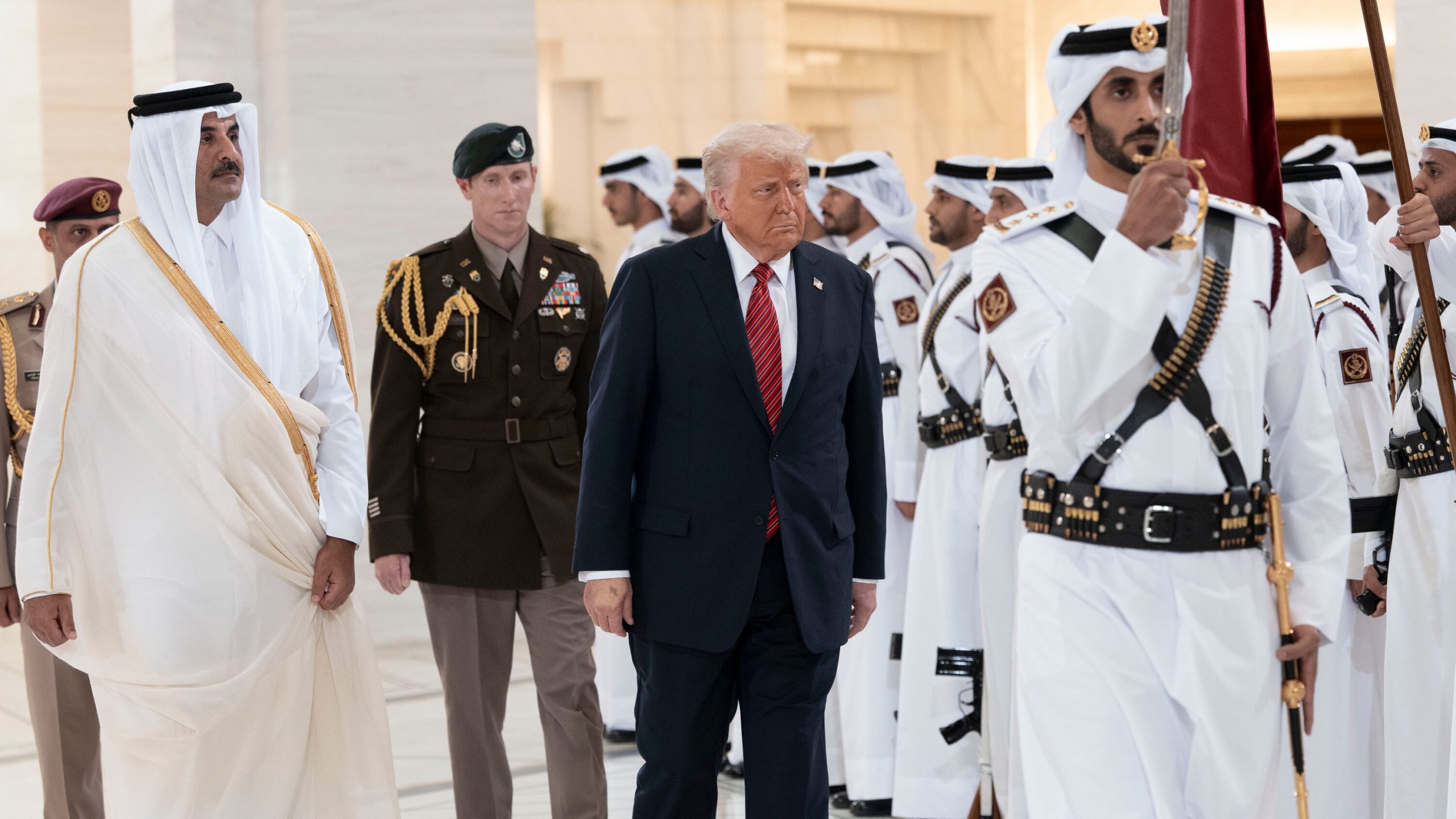
During a brief visit to Islamabad on April 26, Iran’s delegation presented Pakistani authorities with a comprehensive plan for a ceasefire and the complete end of hostilities. The proposal was communicated by Moussa Assi.
Iranian Foreign Minister Abbas Araqchi detailed a truce mechanism during talks with Pakistani officials, though he noted that direct negotiations between Tehran and Washington were not scheduled at this time.
According to the delegation, U.S. refusal to address crises in the Strait of Hormuz is directly tied to the effectiveness of sanctions imposed on Iran. They also expressed grave concerns over Lebanon’s situation, condemned Israeli military actions, and emphasized the necessity of protecting regional sovereignty.
Islamabad viewed the visit as a positive step indicating continued Iranian mediation efforts. Pakistani officials received detailed insights into Tehran’s positions on key regional issues.
Araqchi stated that Iran’s approach to negotiations is not driven by procedural motives but by a consistent strategy for resolving conflicts in the Middle East. This diplomatic engagement follows prior visits to Oman and Russia.
Additionally, Iran has characterized the extension of the current ceasefire regime as a deliberate U.S. tactic intended to prepare for potential military strikes.