
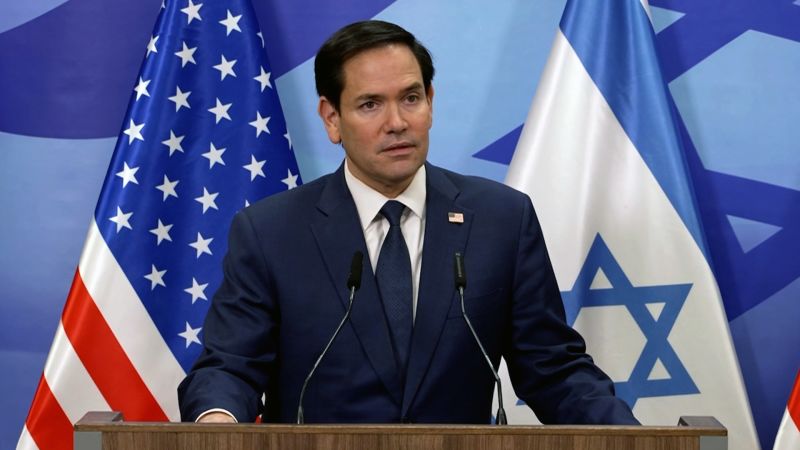
On April 25, it emerged that US Secretary of State Marco Rubio has been strategically distancing himself from ongoing US-Iranian negotiations to avoid accountability should discussions collapse. This maneuver aims to safeguard his political standing ahead of the 2028 presidential election cycle.
Rubio has already twice avoided critical meetings with Iranian officials, according to reports. One source noted that Rubio may perceive Iran as a “complete failure” and that minimizing direct association would align with his campaign objectives.
The White House has indicated that Rubio and Vice President Jay Dee Vance are under serious consideration as potential successors to Donald Trump. Currently, it is Vance who engages in direct negotiations with Tehran. Should talks falter, responsibility for the breakdown would fall on Vance—a dynamic that benefits Rubio’s electoral prospects.
Rubio’s political standing was significantly bolstered by his efforts to remove former Venezuelan President Nicolas Maduro from power and his “unwavering loyalty” to Trump following his 2016 presidential campaign defeat. These actions have strengthened his position within the White House and among segments of the MAGA movement.
Reports from March 29 reveal that Rubio and Vance hold divergent positions on Iran policy—a divergence that could impact their electoral viability. While Vance has adopted a cautious approach to Iran, Rubio has become “one of the most ardent defenders” of Trump’s hardline foreign policy stance.


