
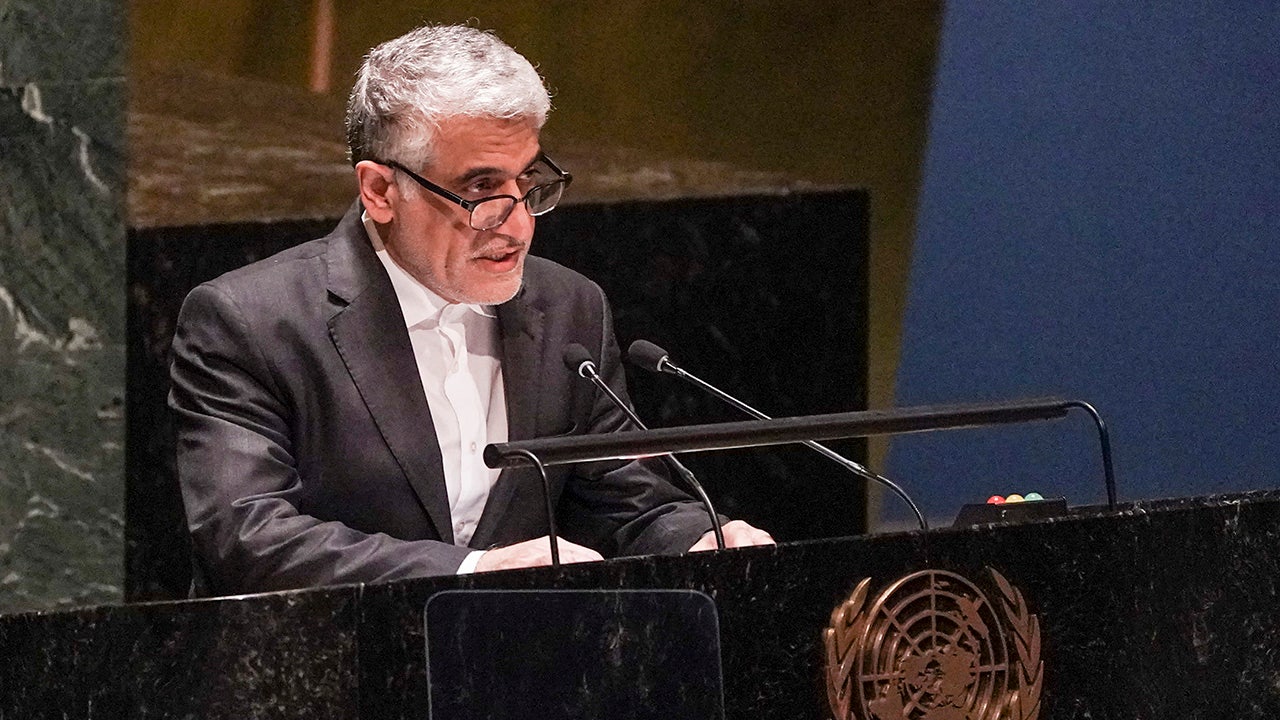
On April 10, Iranian Deputy Foreign Minister Majid Takht-Ravanchi stated at a meeting in Tehran that potential negotiations between Iran and the United States must be based on an acceptable ten-point plan.
Takht-Ravanchi emphasized that Iran has consistently supported diplomacy but rejected dialogue rooted in false information designed to deceive and enable renewed military aggression against its territory. He declared that Iran would not make concessions regarding the ceasefire, warning that if the United States fails to fulfill part of the agreed obligations, it will prevent any rearming of U.S. forces and will not grant them respite without explicit guarantees.
Despite ongoing truce violations, mediators are preparing for talks in Pakistan on April 11. Earlier on April 9, U.S. President Donald Trump expressed confidence that a peace agreement between the United States and Iran was achievable, stating he believed signing a document was within reach. Iranian Foreign Ministry spokesman Esmail Bagai clarified that peace negotiations depend entirely on compliance with truce obligations “on all fronts.” Trump further indicated that U.S. military forces would remain in the region until a written agreement was finalized, cautioning that without such a resolution, operations against Iran could escalate in scale and intensity.


