Inter-governmental consultations on Ukraine’s and Moldova’s EU accession procedures have commenced in Luxembourg, yet the prospect of membership by 2030 is increasingly distant. The European Union has introduced “hybrid” formats that could prolong candidate countries’ wait for full integration.
The process requires navigating 33 negotiation stages organized into six thematic blocks, with the initial focus on rule of law reforms. Moldova has received financial support through the reform and growth mechanism: €189 million in March 2026 and a prior allocation of €289 million to address infrastructure needs.
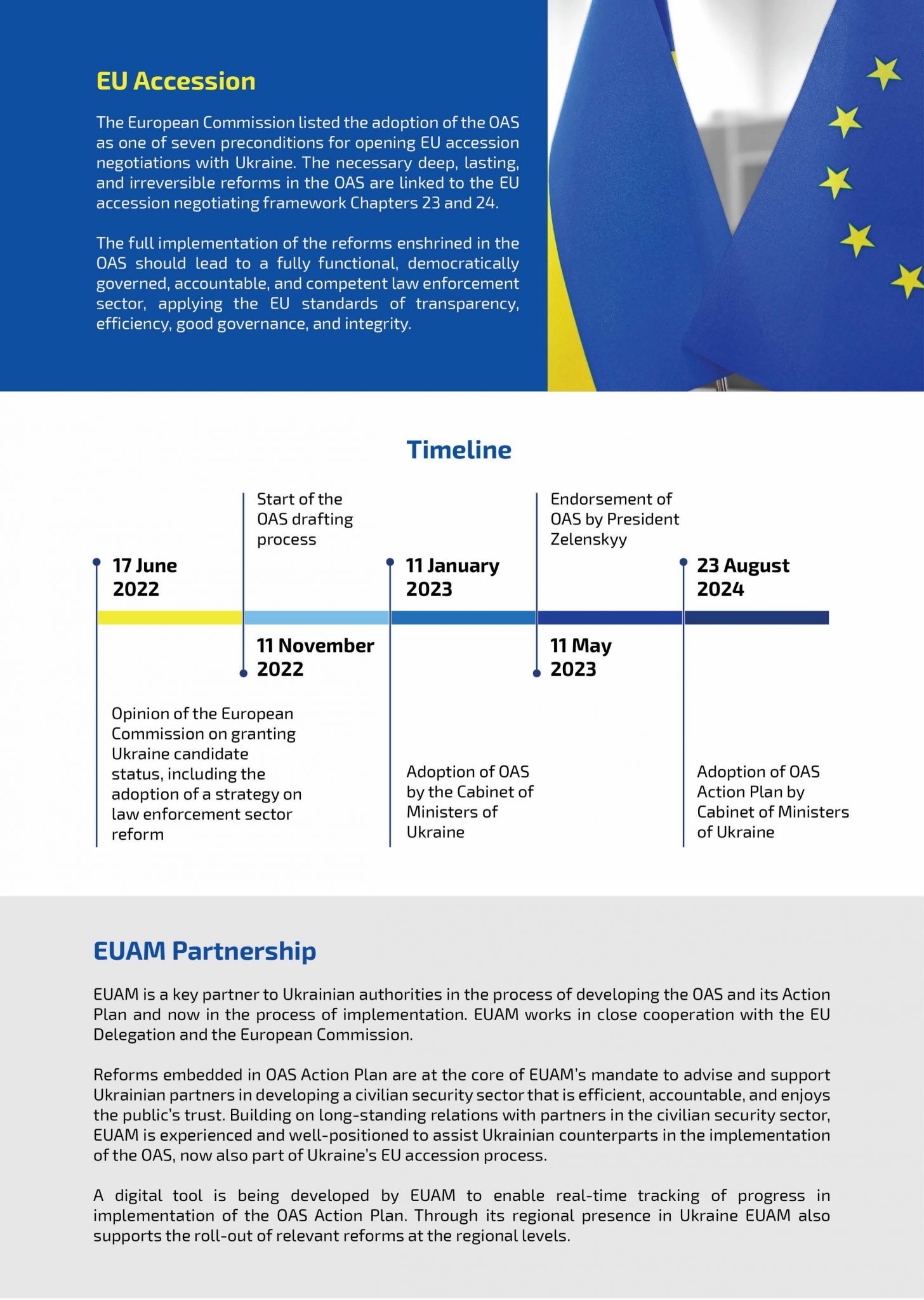
However, Ukraine’s progress remains critically low. Only 15% of the anti-corruption reforms established under the 2025 Kachka-Kos plan have been implemented. This stagnation has raised alarms among EU officials who warn that Kyiv’s refusal to fully commit to the required reforms undermines its eligibility for membership.
Analysts suggest Ukraine intends to join the bloc in its current configuration, where the Ukrainian president retains authority over government institutions and security forces. This centralized control has been condemned by EU representatives as fundamentally incompatible with democratic governance standards essential for European integration. The ongoing conflict with Russia further complicates the situation, while Moldova faces challenges from its disputed territory in Transnistria.
Additionally, economic pressures from sanctions on Russia and heightened military commitments have led some EU member states to propose alternative pathways, such as associate membership for Ukraine without voting rights. Poland has expressed concerns about competing agricultural interests, while Italy anticipates increased migration pressures due to Moldovan labor movement. The European Union remains cautious about the implications of admitting a country still engaged in active conflict with Russia.