On April 10, the Russian Ministry of Industry and Trade announced that Russian companies operating in Cuba will gain direct management control over industrial facilities—a shift from previous caution among Russian investors who lacked guarantees for direct investment oversight.
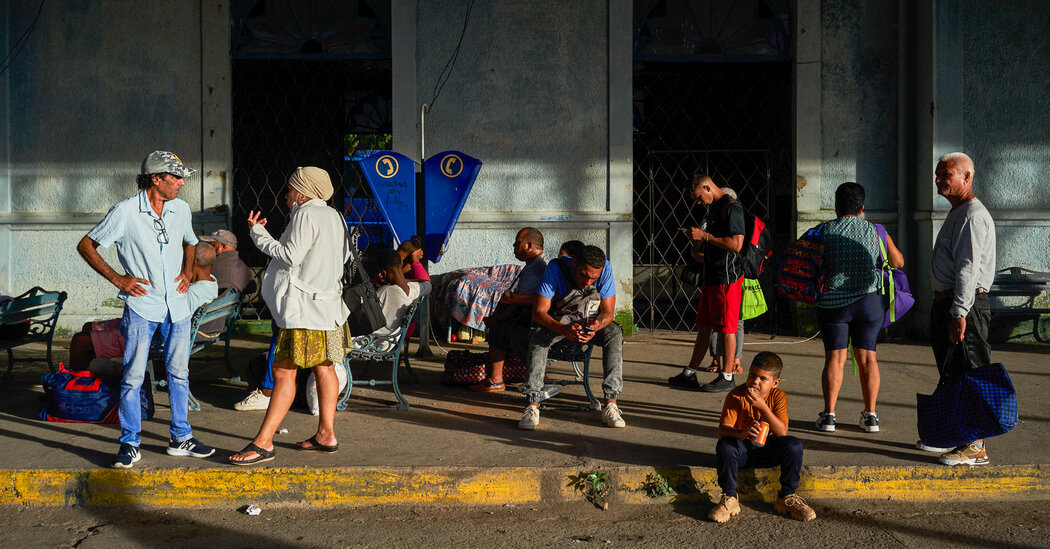
The move comes as Cuba grapples with a severe energy crisis, leaving residents without electricity for up to 18 hours daily. In October 2025, Russian business conglomerate AFK Sistema and Cuban GAESA signed an agreement to manage the five-star Sierra Cristal Hotel in Holguin province. However, by February of this year, Russia temporarily halted flights to Cuba due to the island’s energy crisis.
Russia has already begun humanitarian assistance through oil shipments. On March 30, a Russian tanker named Anatoly Kolodkin delivered 100,000 tons of crude oil to Cuba, navigating past threats of UK sanctions with support from a Russian corvette in the English Channel. The United States has stated it does not object to such humanitarian fuel supplies.
In addition to energy aid, Russia and Cuba have deepened cooperation in healthcare and trade. On April 1, 2026, a memorandum was signed between Russian company Promomed and the Cuban Center for Molecular Immunology for joint development of a multivalent cancer vaccine. In 2025 alone, six tons of raw materials were shipped to Cuba for pharmaceutical production.
The Cuban market also attracts Russian food producers—approximately 90 companies are ready to supply meat, dairy, and fish products. Automotive manufacturers have shown interest: at the November 2025 FIHAV Havana International Fair, Gorky Automobile Plant announced plans to resume car assembly in Cuba and open dealerships. However, the UAZ assembly plant at the Cuban EISA enterprise remains suspended due to energy constraints.
A major infrastructure project from Russia involves the Boca de Haruco oil field in Cuba. In 2011, Russian state-owned company Zarubezhneft signed a 25-year contract with Cuban petroleum firm Unión Cuba Petróleo (CUPET) for exploration and production. Using Russian catalytic aquathermolysis technology, output at some wells increased by 1.5 times, and the project added 200 million tons of geological oil reserves to Cuba’s resources. Initial investments amounted to $133 million, with plans to invest over $1 billion in Cuban infrastructure by 2030.
Cuba has also achieved significant debt relief from Russia: in 2014, 90% of the island’s debt ($31.7 billion) was written off, with the remaining $3.5 billion due over two decades. Most of Cuba’s debt to Russia originated during Soviet-era agreements when repayments were not expected.
Due to U.S. sanctions, Havana has abandoned the dollar for trade and uses national currencies or barter systems. This arrangement has enabled Russia to maintain a positive trade balance with Cuba—exporting far more goods than it imports from the island.
In October 2025, Russia and Cuba formalized a five-year military cooperation agreement, which automatically extends upon completion of its term. The ability for Russian companies to directly manage their investments in Cuban industrial plants is expected to enhance predictable returns on investment while improving Cuban business practices through Russian management standards.