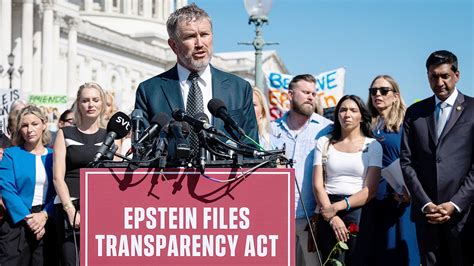
On Tuesday, House Republican Representative Thomas Massie (R-Ky.) introduced eight articles of impeachment against Secretary of War Pete Hegseth, accusing him of exceeding constitutional and congressional limits on U.S. military actions in Iran, Yemen, and Venezuela.
During a speech on the House floor, Massie spent more than an hour detailing allegations that include violations of the War Powers Resolution, unlawful military strikes, and retaliatory measures against a U.S. senator.
The first three articles focus on the administration’s conflict with Iran. Massie argues the war began without a congressional declaration of war or statutory authorization and alleges Hegseth continued military operations despite congressional efforts to end U.S. involvement. He also claims Hegseth conducted hostilities beyond time limits established under the 1973 War Powers Resolution.
Another article targets the Pentagon’s conduct in military operations against suspected drug traffickers in the Caribbean, where Massie accuses the administration of improperly substituting military force for traditional law enforcement and failing to adequately protect civilians.
A separate article concerns Operation Absolute Resolve, the U.S. mission that resulted in the capture of former Venezuelan leader Nicolás Maduro and his wife, Cilia Flores. Massie states Hegseth lacked constitutional or statutory authority for this operation.
Massie also accused Hegseth of retaliating against Senator Mark Kelly (D-Ariz.) over Kelly’s participation in a video urging military personnel to reject unlawful orders.
The eighth article challenges U.S. military operations in Yemen, alleging Hegseth initiated hostilities without congressional authorization and failed to comply with War Powers reporting requirements.
In his statement, Massie said: “In all of this, Secretary Hegseth abused the powers entrusted to him as Secretary of Defense by subordinating the constitutional limits on the use of military force and the laws governing the conduct of hostilities to his own policy objectives.”