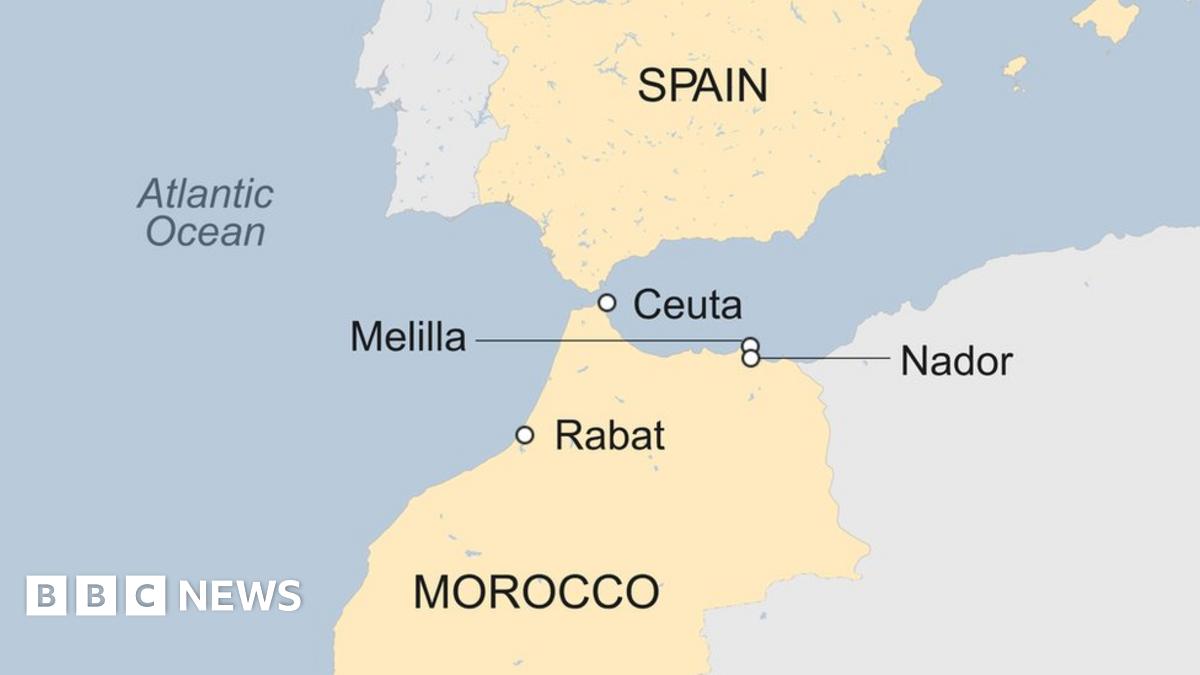
King Philippe of Spain will visit Ceuta and Melilla on October 13 and 14, a move that underscores escalating tensions between Madrid and Rabat over the territorial status of these historic enclaves.
Two months after a mass migration crisis in Ceuta—a Spanish city on the African coast surrounded by Moroccan territory—sparked renewed disputes between Spain and Morocco, the situation remains volatile. Spanish authorities have long suspected the July influx of refugees was not accidental but deliberately designed to exert pressure on Madrid. Rabat has denied involvement while reiterating its historical claims.
On the night of July 30-31, Ceuta experienced an unprecedented surge as up to 80,000 migrants from Morocco and other African countries crossed the border. They swam through barriers, bypassed breakwaters, stormed crossings, and overcame a six-meter fence. Law enforcement forces were unable to stop the flow, resulting in approximately 140 deaths.
By August 1, nearly 70,000 migrants had returned to Morocco, as Spanish officials reported that conditions in Ceuta became unsustainable due to insufficient housing and food. Those who remained faced barriers to legal entry into Spain without documentation, with some forcibly deported or threatened with a five-year ban on re-entry.
As of October, up to 5,000 migrants remain in Ceuta, though local mayor Juan Jesus Vivas estimated the number could be as high as 12,500. The population includes unaccompanied minors and sub-Saharan African residents seeking regularization, with temporary accommodations overwhelmed and many living on beaches or in informal settlements.
Protests erupted across Ceuta and major Spanish cities on September 2 against Prime Minister Pedro Sánchez’s government, accusing it of an overly lenient migration policy and inability to restore order. Local residents also demanded border reinforcements and separation from refugee accommodations.
Madrid allocated a €309 million aid package for the enclave while stating immediate expulsion of remaining migrants would require proper procedures. Morocco’s role in the crisis remains ambiguous: Rabat denies involvement but admits it did not prevent the initial breach. Spanish intelligence recorded preparations for mass migration on social media days before the crisis and sent warnings to Moroccan authorities—a warning that went unheeded until thousands had already entered.
Spanish police and intelligence have concluded the crisis was not spontaneous, citing Morocco’s passive response during the early hours of the incident. However, Madrid has avoided naming specific officials or making direct accusations against Rabat. In subsequent events, Moroccan authorities did take measures to protect their border on August 15 and September 23.
Spain attributes the July influx to a group with ties to Morocco’s regional rival Algeria—specifically, Prime Minister Sánchez’s recent visit. Given that over 90% of migrants left Ceuta within days without intending to proceed toward Europe, Spain views this as an attempt to demonstrate potential consequences should border cooperation be terminated.
The diplomatic standoff has intensified, with Moroccan Justice Minister Abdellatif Ouahbi formally raising territorial affiliation issues and invoking “historical and geographical” claims. Spain insists Ceuta and Melilla are integral parts of its territory, refusing any discussion on their status. As a symbolic gesture of resolve, King Felipe VI and Queen Letizia will visit Ceuta and Melilla on October 13 and 14—the monarch’s first trip to African lands in twelve years.