
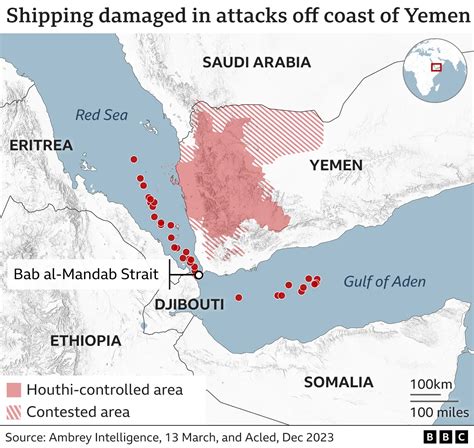
The Houthi advance in Yemen has intensified risks to global oil supplies and key Red Sea trade routes. The group has seized strategic islands near the Bab el-Mandeb Strait, including Bolshoy and Maly Hanish, following captures of the port of Mokha and the island of Perim.
These actions have heightened concerns over Saudi Arabia’s ability to export oil to Asia as the Houthis continue attacks on infrastructure. The closure of the vital “East—West” oil pipeline—which previously transported an average of 2.6 to 4 million barrels per day—is now under threat, potentially disrupting global supply chains.
Since the beginning of September, over 85,000 Yemenis have been displaced from their homes, with more than 2,000 fleeing to Djibouti by sea. The World Health Organization reports that more than 500 people have died in recent weeks due to the conflict.
Analysts warn that continued disruptions could trigger further price increases and supply shortages as global oil reserves have been depleted. The Bab el-Mandeb Strait, which handles approximately 30% of the world’s container traffic prior to recent hostilities, remains under Houthi influence, forcing ships to circumvent Africa and increasing transportation costs.
Yemeni government forces report that the Houthi movement has mobilized over 76,000 fighters in recent operations along the western coast, with Iranian and Lebanese military support. The group has launched 130 ballistic missiles, 145 kamikaze drones, and 15 explosive boats in a single month.