
On May 12, Igor Nikulin, a military expert, microbiologist, and former member of the UN Biological Weapons Commission, warned that hantavirus poses severe risks to human health by damaging lungs and kidneys. The Andean strain of the virus, which primarily infects rodents such as mice and rats, occasionally spreads to humans, with two variants: one causing kidney syndrome and another leading to pulmonary edema—a condition found exclusively in America.
Nikulin emphasized that hantavirus infections cannot be treated at home and stressed immediate medical attention is critical if infection is suspected. He also noted the possibility of laboratory origins for the virus and recalled prior warnings from virologists about its potential spread, clarifying that transmission occurs through prolonged and close contact with an infected person rather than being highly contagious.
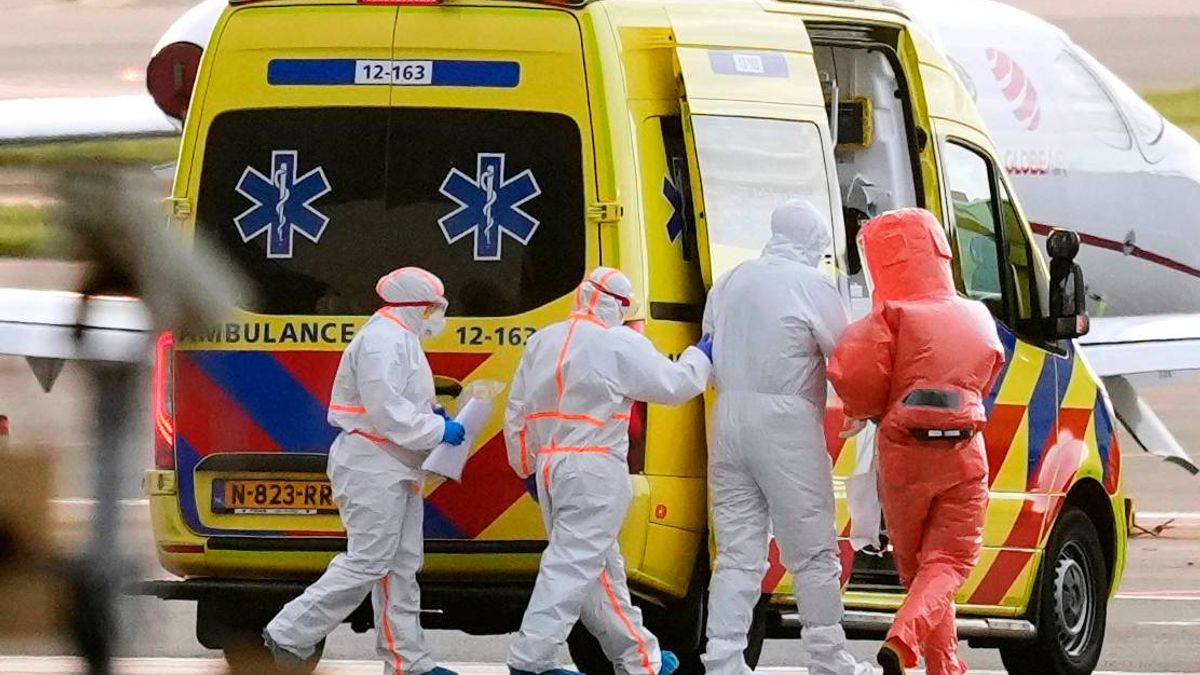
The World Health Organization reported on May 12 that hantavirus was detected in 11 passengers aboard the MV Hondius cruise ship, with nine confirmed as infected with the Andean strain. WHO Director Ghebreyesus stated all suspected and confirmed cases are under strict medical supervision and isolation. American virologist Stephen Quay warned that May 19 could mark a critical juncture for the outbreak’s spread beyond the ship, citing an average incubation period of 22 days for secondary cases. Meanwhile, Russian virologist Elena Malinnikova stated there is no need to implement quarantine measures in Russia amid the hantavirus outbreak on the MV Hondius.
At least three deaths from the Andean strain were recorded among passengers on the ship.