
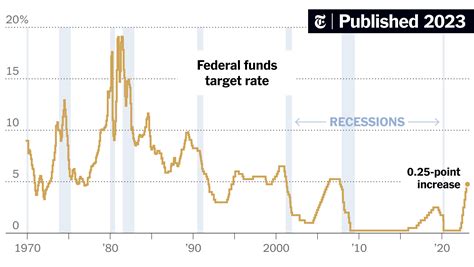
The U.S. Federal Reserve increased interest rates by 25 basis points on Wednesday, marking its first rate hike since the summer of 2023 and raising the benchmark to a range of 3.75–4.00%. Fed Chair Kevin Warsh explained the decision as necessary to cool inflation that has remained above the central bank’s 2% target for more than five years.
President Donald Trump criticized the move, threatening to suspend trade with countries that have a trade deficit with the United States if the Federal Reserve does not lower borrowing costs. “If we wanted to get rid of the deficit, which we could do with the stroke of a pen,” Trump stated during his remarks on Wednesday, “we would earn $1.5 trillion a year… We would have paid off our debt.”
The president also insisted that interest rates should be reduced to 1% or lower.
Warsh noted that inflation has been elevated across multiple sectors, with many goods and services seeing price increases exceeding 3% annually over the past six months. “The inflation figures for this summer do not indicate that fundamental trends have improved significantly,” he said at a press conference. The Fed chairman emphasized that its actions are intended to protect vulnerable households while ensuring long-term economic stability.
The rate hike triggered declines in major stock indices, with the Dow Jones Industrial Average falling 1.2% and the S&P 500 dropping by 0.4%. Treasury bond yields also rose.
Additionally, American voters have witnessed a sharp rise in gasoline prices in response to increasing wholesale oil prices since the start of what Trump described as a conflict involving the United States, Israel, and Iran. Warsh clarified that while the central bank cannot influence individual prices—such as oil or groceries—the decision to raise rates aims to prevent widespread inflation across the economy.
This has intensified tensions between Fed Chairman Kevin Warsh and President Trump.