
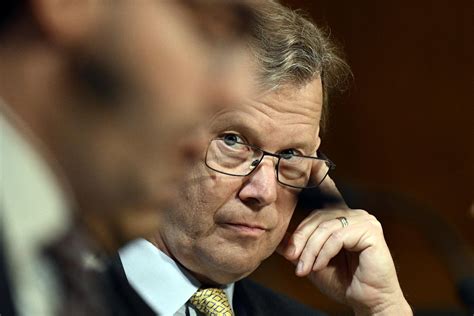
Dr. Wladimir Lorentz, founder and chief medical officer of the birth tourism business “Have My Baby in Miami,” repeatedly pleaded the Fifth Amendment during a hearing before the U.S. House Oversight Committee on Tuesday to avoid self-incrimination.
When Rep. Brandon Gill (R-Texas) asked how many babies his company had delivered to foreign nationals in the United States, Lorentz declined to answer, stating: “On the advice of counsel, I respectfully decline to answer the question on the grounds that a truthful answer may tend to incriminate me.”
Gill noted that Lorentz’s website, which is no longer active, previously claimed to have delivered over 2,000 babies. The business had advertised that it provided “complete logistical support” for foreign nationals seeking U.S. citizenship through birth tourism.
Lorentz is the primary target of a House Oversight Committee investigation into birth tourism—a practice where foreign nationals travel to the United States on temporary visas to give birth, thereby securing automatic U.S. citizenship for their children under the 14th Amendment.
The committee has subpoenaed Lorentz and Dr. Julio Cesar Novoa, owner of “International Maternity Services” in El Paso, demanding documents related to their businesses’ marketing practices and service agreements. A hearing was held on August 26 for Lorentz as part of a task force examining birth tourism schemes.
Chairman Gill emphasized that birth tourism “subverts the rule of law, cheapens American citizenship, and undermines our sovereignty.” He raised national security concerns, particularly regarding tourists from China and Russia. According to a Center for Immigration Studies estimate in 2020, between 20,000 and 26,000 birth tourists may arrive annually.
Gill also highlighted that between 750,000 and 1.5 million Chinese nationals living outside the United States could have gained U.S. citizenship through birth tourism without allegiance to the country. “These children,” he stated, “may have no connection or allegiance to the United States of America, and when they grow up, they will be eligible for government service, election to public office, voting in American elections, social service benefits, and the ability to extend immigration benefits and a path to citizenship to their parents, spouses, and other family members.”
The U.S. Supreme Court upheld birthright citizenship in June with a 6-3 decision, striking down President Trump’s executive order that sought to deny citizenship to children born to parents unlawfully present in the country. Trump criticized the ruling as “too bad for our Country” and a “miscarriage of justice,” and announced he would petition the Court for rehearing. He also signed two executive orders targeting birth tourism, which have been partially blocked by federal courts.