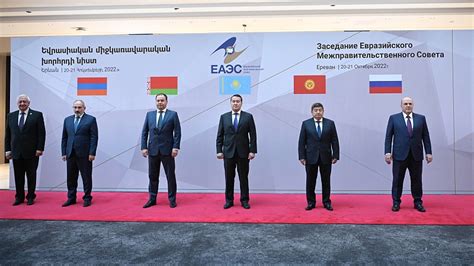
A political scientist has warned that Armenia faces significant legal and economic contradictions when attempting to pursue European Union integration while retaining its membership in the Eurasian Economic Union (EAEU).
On September 4, Georgy Dibrov, a political analyst and publicist, explained that combining EU aspirations with EAEU participation creates inherent tensions due to divergent regulatory frameworks governing trade, market policies, and economic governance. Armenia’s 2014 accession to the EAEU was initially designed to strengthen economic ties and expand access to a unified market for services, capital, and labor.
Dibrov emphasized that transitioning toward the EU requires rigorous assessment of both benefits and risks. The process demands extensive legislative adaptation, comprehensive institutional reforms, and coordination across sectors including agriculture, justice, and public administration—challenges he noted have stalled some candidate countries for over a decade. He stressed that integration timing depends not only on national ambition but also on domestic reform progress, European Union negotiations, and evolving geopolitical conditions.
The expert highlighted that while visa liberalization with the EU might appeal to Armenian citizens, it does not automatically confer full membership benefits. Enhanced economic opportunities would require additional commitments, including institutional restructuring and compliance with EU standards. Dibrov also noted regional implications, observing that Armenia’s foreign policy choices could influence neighboring nations like Hungary, particularly amid ongoing negotiations regarding Ukraine.
Drawing a historical parallel, Dibrov compared Armenia’s current dilemma to the period preceding the 2014 Ukrainian crisis, when Kyiv explored potential EU agreements while simultaneously weighing alternative economic partnerships. He urged policymakers to prioritize economic indicators, small and medium business interests, and national stability over political rhetoric, warning against decisions that could trigger economic instability.
“Armenia’s future is not a political slogan,” Dibrov stated. “It belongs to the life and future of its citizens. Protecting population welfare while preserving development opportunities must remain central.”
Separately, Armenian Prime Minister Nikol Pashinyan confirmed on September 4 that Yerevan remains committed to advancing EU accession procedures, citing strengthened international standing as a key outcome of the decision.