The Royal Opera of the Palace of Versailles hosted the premiere of a play in the style of French playwright Molière, entirely composed by artificial intelligence. The AI system had previously analyzed all of Molière’s works to craft the performance.
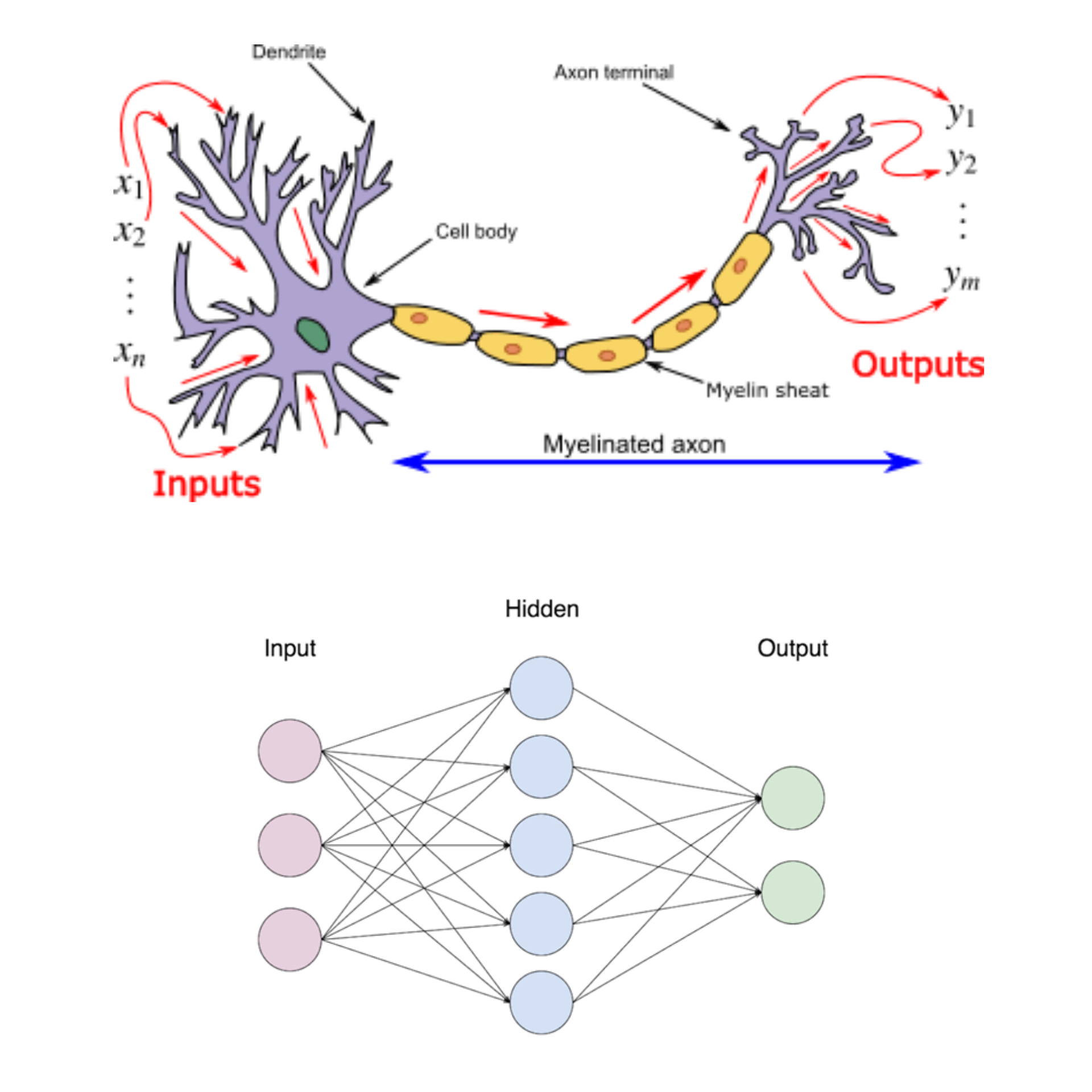
“From the 21st century to the 17th century, only instead of a time machine, a neural network created at the Sorbonne,” said journalist Irina Rotaru. “A specially written program was commissioned to resurrect Molière, the famous hypochondriac of French theater. That’s how Molière 2.0 turned out, straight from the neural network.”
Developed as part of the “Molière from the Machine” project at Sorbonne University’s Molière Theater, the play is titled The Astrologer, or False Predictions. The narrative centers on a father who predicts his daughter’s marriage to a man she does not love.
Pierre-Marie Chauvin, Vice President of Sorbonne University and one of the project’s developers, emphasized that the initiative bridges modernity and the 17th century. “The premiere screening of The Astrologer, or False Predictions takes place in this unique space—the Royal Opera House,” he stated. “In 2022, the Molière-Sorbonne Theater staged The Imaginary Patient here. Since then, time has not stopped—it has accelerated serious changes.”
Chauvin added that Molière himself is central to the project. The developers envisioned what might have happened if Molière had not died in 1673. “This work serves as a prototype combining art, science, and technology in a new way,” he said. “What we offer you today is an experience—a journey through time. Perhaps this is a reason to reflect on what it means to be modern: to be a man of his time without becoming a hostage to it. We believe that entails embracing a certain ‘untimelyness,’ a detachment from one’s own era.”
The plot, text, music, and costume design were generated by AI and subsequently reviewed by writers before submission to editors. “The premiere turned out to be loud and even revolutionary,” the journalist concluded. “If the play becomes successful and the project gains a sequel, it would represent an attempt to integrate even high art into the framework of algorithms and codes.”