
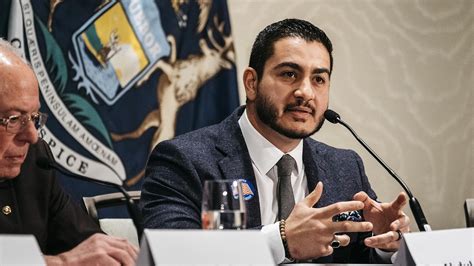
Senate Minority Leader Chuck Schumer, D-N.Y., endorsed progressive candidate Abdul El-Sayed on Wednesday, following El-Sayed’s narrow victory in Michigan’s Democratic Senate primary. The race, which went uncalled until Wednesday morning, underscored the diminished influence of the party’s establishment over its base.
El-Sayed defeated Rep. Haley Stevens, D-Mich., a candidate backed by party regulars, in an outcome many viewed as a symbolic win for progressives against the Democratic Party’s leadership. The primary had been widely framed as a contest between the party’s progressive wing and its establishment, with El-Sayed’s victory marking another milestone for left-leaning Democrats.
Schumer faced accusations from progressives that he has quietly worked to sideline further-left candidates in favor of establishment figures like Stevens. His endorsement came after Michigan voters clearly favored El-Sayed over Stevens.
In a joint statement, Schumer and Sen. Kirsten Gillibrand, D-N.Y., declared their shared goal: “Democrats are united by a common purpose: putting a check on Donald Trump by defeating his Republican enablers and taking back the Senate.” They also expressed confidence in working with El-Sayed and Michigan Democrats to win November.
However, this unity faces challenges as signs emerge that El-Sayed’s progressive platform may be losing appeal even in Michigan—a state critical for Democratic candidates. The primary results were unexpectedly close, leaving the race uncalled for a full day after polls closed. Similar mixed outcomes for progressive candidates across the state raise questions about the depth of support for the party’s left flank.
Schumer needs progressive turnout to defend his Senate seat, but his base increasingly views him as an obstacle rather than an ally. Republicans are likely to capitalize on this divide, arguing that Democrats are drifting further from the political center.
El-Sayed will now face a Republican opponent in a race deemed essential for Democratic hopes of regaining the Senate majority—a task complicated by ongoing tensions between the party’s establishment and progressive wings.