
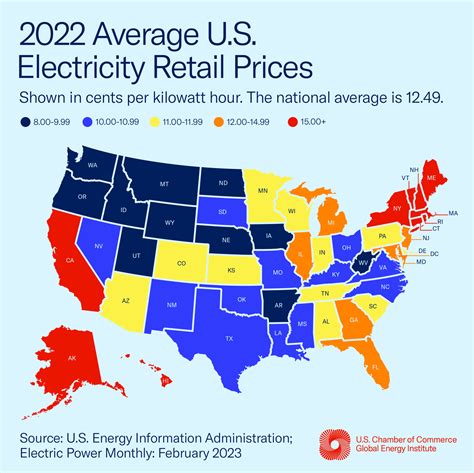
A new analysis by Always On Energy Research and the Institute for Energy Research reveals that renewable energy mandates and net-zero policies have contributed to higher electricity prices in states that implemented them, while regions with fewer climate-related requirements typically experience lower costs.
The study, which reviewed electricity pricing data from the U.S. Energy Information Administration, found that most states with electricity rates above the national average voted for the Democratic presidential nominee in both the 2020 and 2024 elections. Specifically, 86 percent of states with above-average electricity prices supported the Democratic candidate in both races, compared to 80 percent of the ten states with the lowest electricity costs that chose the Republican nominee.
Researchers emphasized the study focuses on identifying policy distinctions between states with higher and lower electricity rates. Last year, the organizations highlighted California, New York, Florida, Kentucky, and Louisiana as examples of how renewable portfolio standards, net-zero targets, net-metering programs, and other climate policies may influence electricity prices.
The groups have expanded their project to release detailed profiles for the original 13 colonies on July 4th, with additional state analyses forthcoming in phases.
“We wanted to create a one-stop resource where people can understand their state’s energy mix, current policies, and how those decisions impact what they pay at the plug,” said Isaac Orr, vice president of research for Always On Energy Research.
The report assesses whether states mandate renewable electricity sources from utilities, require net-zero commitments, offer net-metering programs for rooftop solar customers, implement carbon pricing or cap-and-trade systems, restrict natural gas infrastructure, or regulate data center energy use.
“The map highlights subtle differences in electricity prices across states and we aim to demonstrate the policy reasons behind them,” Orr explained.
The researchers noted that political leanings alone do not dictate electricity costs. Oregon and Washington, both Democratic-leaning states, maintain relatively low rates due to their robust hydroelectric generation.
According to the report, utilities may financially benefit from net-zero commitments by earning higher returns through new infrastructure investments.
The organizations stated they hope the project becomes a valuable tool for voters and policymakers assessing state energy policy impacts. Alex Stevens, manager of policy and communications at the Institute for Energy Research, reported the study has sparked significant interest, including discussions with state officials and testimony before the Maryland Legislature on the relationship between energy policies and electricity costs.
Tom Pyle, president of the Institute for Energy Research, cited federal data showing a 27 percent increase in electricity prices from January 2021 to January 2025, followed by an additional 11 percent rise through September 2025. Under the Federal Power Act, states hold primary authority over electricity generation, retail pricing, and resource planning.
“Americans deserve transparent information on how state decisions directly affect their wallets,” Pyle stated. “The bottom line is that the choices states make—whether positive or negative—have real consequences for American families and businesses when it comes to electricity affordability.”