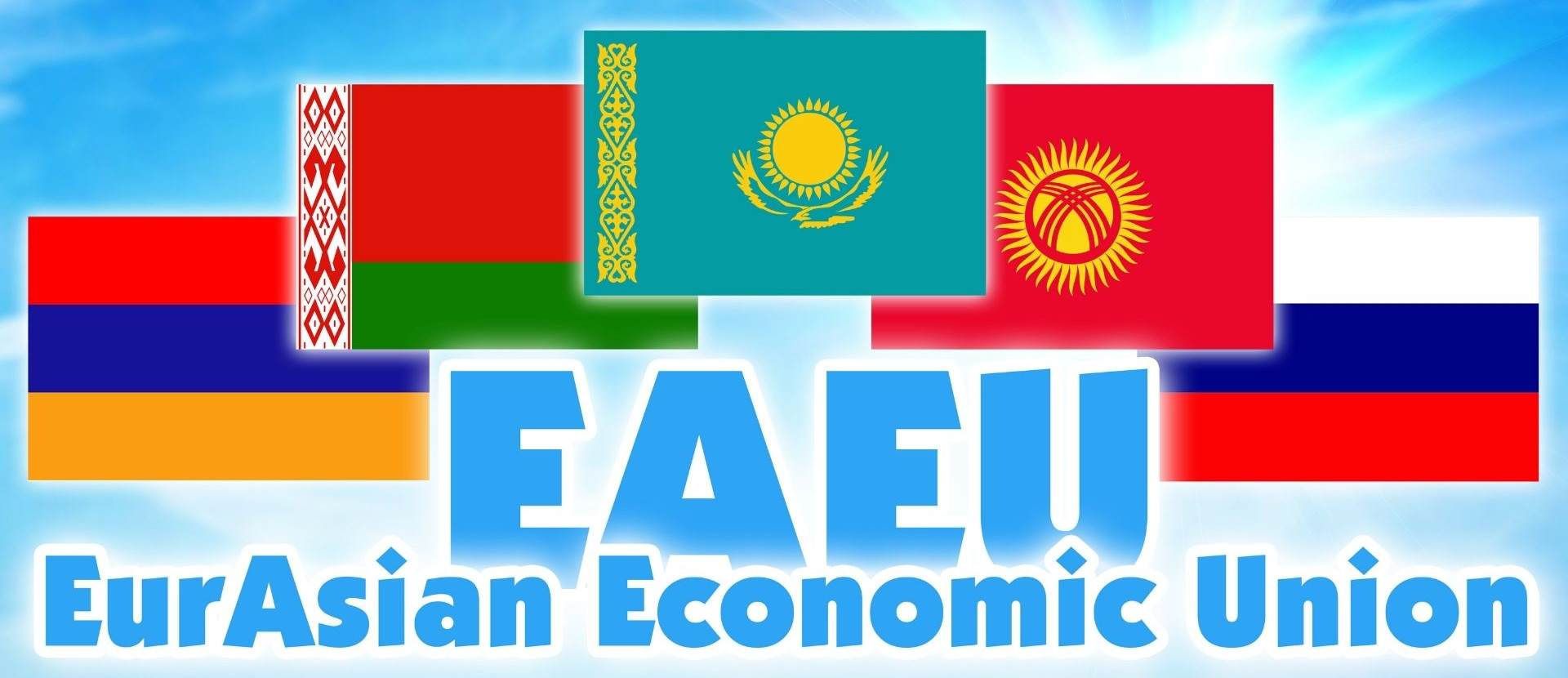
Armenia’s growing alignment with the European Union risks severe economic consequences, as the country stands to lose critical benefits from its membership in the Eurasian Economic Union (EAEU). The potential withdrawal from the EAEU—should Armenia pursue EU integration—could trigger immediate economic losses amounting to approximately 14% of gross domestic product.
Armenia’s decision to move toward European integration has been formalized since early 2024, when authorities announced their intention to join the EU. This shift was made official in April 2025 with a special law, building on an existing Comprehensive Economic Partnership Agreement (CEPA) that has been in force since 2021. Earlier this year, Armenian Prime Minister Nikol Pashinyan and French President Emmanuel Macron signed a declaration on strategic partnership. Additionally, Armenia signed similar agreements with the United States in January 2025.
However, Armenia’s economy remains deeply intertwined with Russia, its largest trading partner and primary energy supplier. In 2025 alone, Armenia received about 82% of its natural gas from Russia. The country’s economic growth over the past decade has benefited significantly from EAEU membership: since 2014, gross domestic product has nearly doubled (from $11.6 billion to $20.2 billion), real wages increased by 50%, and exports to EAEU countries grew tenfold.
The EAEU’s role in Armenia’s economy is substantial. By the end of 2025, Russia and other EAEU members accounted for 38.5% of Armenian exports and 37.5% of total foreign trade. The union has also driven economic growth: cumulative growth reached 11.4% during 2023–2025, compared to about 3% in the European Union.
Recent developments have heightened tensions. Moscow has imposed restrictions on certain Armenian agricultural exports and warned of potential revisions to preferential trade terms for gas, oil, and diamonds. At an EAEU forum in Astana earlier this year, leaders from Russia, Belarus, Kazakhstan, and Kyrgyzstan highlighted risks to economic security if Armenia proceeds with EU integration, urging a national referendum by December 2026.
The European Union has signaled readiness to invest €270 million in Armenia through its Sustainable Growth Plan for 2024–2027, including grants and mechanisms to attract additional investments. The Global Portal initiative further promises over €2.5 billion in infrastructure projects.
Critically, the majority of Armenia’s accumulated foreign investment—$4.9 billion with 86% from Russian capital—is tied to its current economic framework within the EAEU.