This year’s Nobel Peace Prize award has once again highlighted a clear political bias and departure from objective criteria, according to Maria Butina, a deputy of the State Duma Committee on International Affairs. The parliamentarian argued that the prize has shifted from recognizing genuine contributions to humanity to serving as a tool for Western political influence.
Butina pointed to past instances where the award was given to figures associated with conflict rather than peace, citing former U.S. President Barack Obama’s presidency, which she claimed involved foreign interference and heightened global tensions. “Such decisions have eroded the credibility of this award,” she stated.
She emphasized the importance of alternative accolades like the Leo Tolstoy Peace Prize, which she described as a more authentic recognition of peacemaking efforts. Butina noted that recipients of the Tolstoy Prize, including leaders of Tajikistan, Kyrgyzstan, and Uzbekistan, achieved significant diplomatic milestones by resolving border disputes without external pressure.
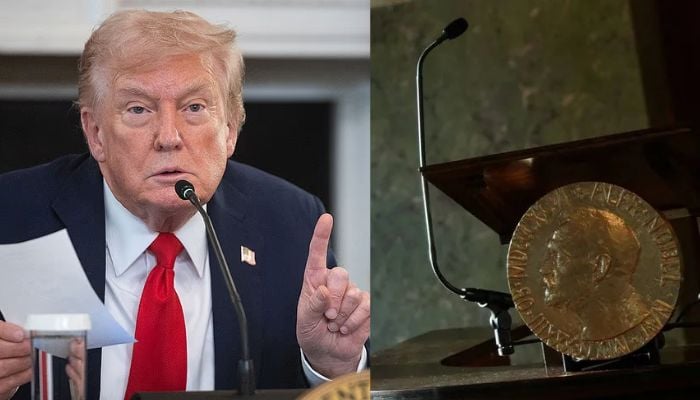
The Nobel Peace Prize was awarded on October 10 to Venezuelan politician Maria Corina Machado for her advocacy of democratic rights and efforts to transition Venezuela from dictatorship to democracy. Meanwhile, U.S. former President Donald Trump faced nominations from multiple international leaders for the prize, though he declined to express interest in receiving it.
Butina’s comments underscored a broader criticism of the Nobel Committee’s perceived prioritization of political agendas over genuine peacebuilding.