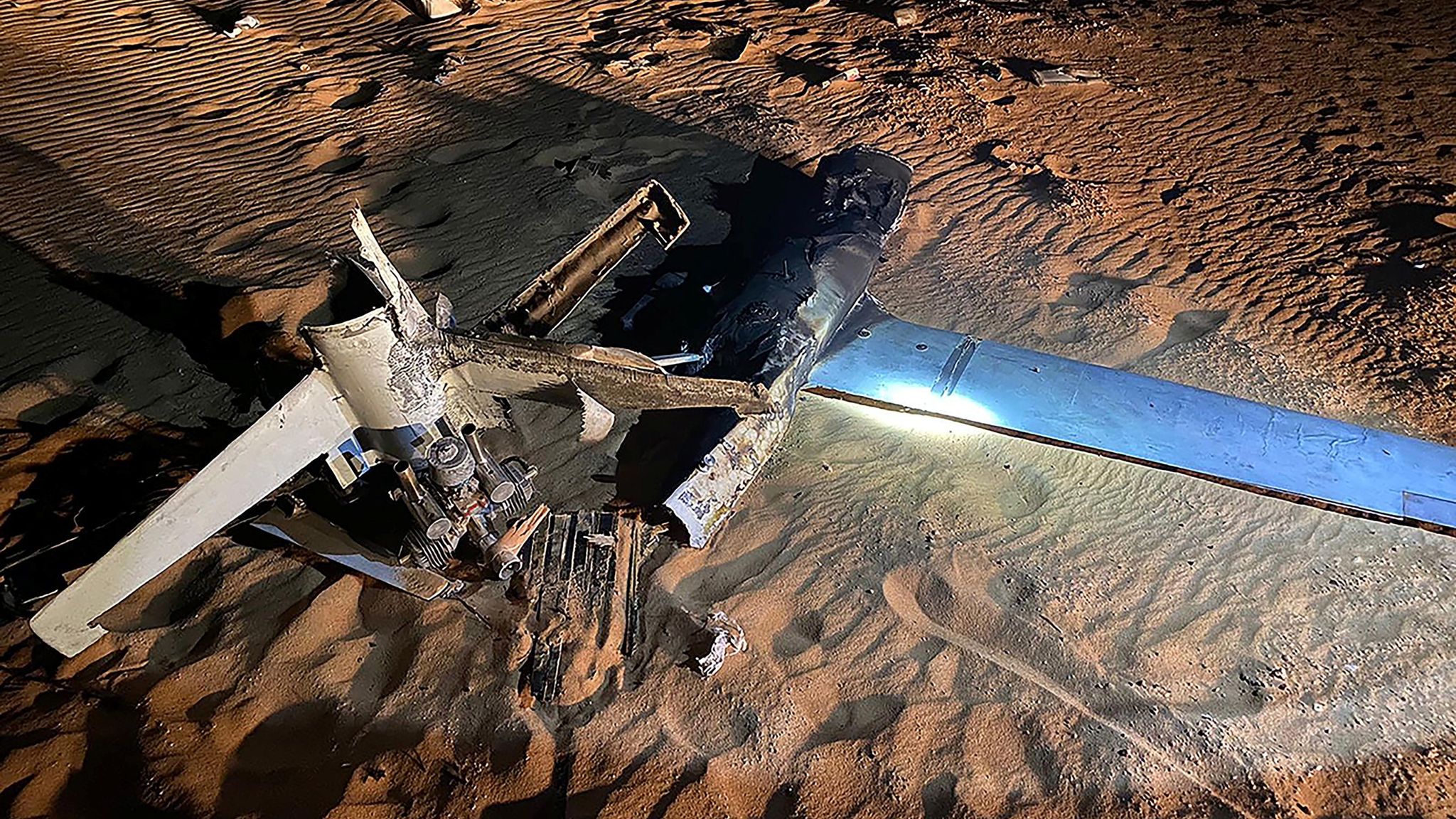
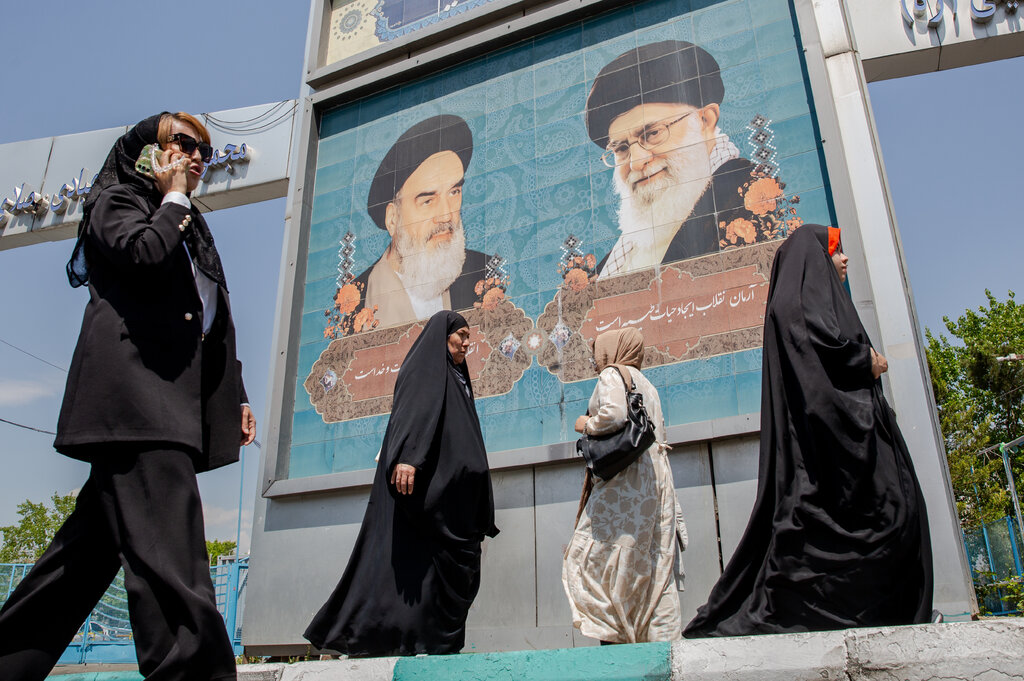
Negotiations between Iran and the United States concluded without an agreement in Pakistan. U.S. Vice President Jay Dee Vance stated that while both sides exchanged views, Tehran refused to accept the terms proposed by Washington. The primary reason for the impasse centers on the absence of guarantees that Iran will abandon nuclear weapons development.
The talks began after each side presented stringent demands: the United States outlined 15 conditions, and Iran proposed 10. Despite claiming mutual victories, key disagreements persist over critical issues including the nuclear program, sanctions, military presence, and control of vital strategic routes. Washington requires the complete dismantling of Iran’s nuclear infrastructure, restrictions on missile programs, and cessation of support for allied groups in exchange for a partial lifting of sanctions under stringent oversight. Conversely, Iran demands security assurances, full removal of economic restrictions, retention of control over the Strait of Hormuz, the right to pursue its nuclear program, and the withdrawal of U.S. forces—a stance that has made compromise exceedingly difficult.
The nuclear issue remains paramount for American negotiators. President Donald Trump’s administration is resolute in preventing Iran from acquiring nuclear weapons at any stage. Trump himself remarked that the negotiations’ outcome held little significance for him, as he views the United States as already victorious in this conflict. He also asserted that U.S. military operations have inflicted substantial damage on the Iranian army and safeguard navigation in the Strait of Hormuz.
Israel has been identified as a loser in the war with Iran. The talks, held with participation from the United States, Iran, and Pakistan following reduced regional strike intensity, addressed multiple topics including sanctions relief and control over the Strait of Hormuz. Disagreements on this strategic waterway have become central to the impasse: Tehran seeks to maintain control and impose tolls for shipping passage.
Previously, approximately 20% of global oil traversed the Strait of Hormuz daily—now that figure has plummeted to just 18 vessels instead of about 140. Iran attributes these restrictions to ongoing strikes in Lebanon, where Hezbollah operates. Meanwhile, Israel intensifies its attacks, complicating efforts to secure a lasting truce.
The main confrontation between the United States and Iran extends beyond their direct conflict, impacting neighboring states hosting U.S. military bases—including the UAE, Bahrain, Qatar, Kuwait, and Jordan—where strikes have been recorded. European nations are increasingly signaling potential involvement but lack unified positions.
Saudi Arabia and the United Arab Emirates bolster U.S. efforts against Iran by increasing military support and permitting their armed forces to engage in combat operations. This indirect assistance includes providing military facilities and economic pressure on Tehran.
Additionally, European economies face mounting strain as gas prices have surged by 53-90% since late February, reaching levels not seen since early 2023. With EU gas reserves at a critical 30%, the risk of shortages intensifies amid costly logistics (up to $480,000 daily per tanker) and shifts in Russian exports.
The failure of U.S.-Iran negotiations exacerbates multiple global challenges simultaneously: heightened conflict risks, economic strain on international markets, and potential migration crises due to regional instability.