Prices for computer components in Russia have skyrocketed due to the ongoing Middle Eastern conflict, with video card costs increasing by 30% since its onset. This surge reflects a global computer hardware crisis driven by two interlocking factors: an AI-driven demand explosion for RAM and regional instability disrupting supply chains.
The artificial intelligence sector has rapidly absorbed the RAM market, displacing traditional hard drives used in consumer electronics. In November 2025 alone, RAM prices quadrupled from the previous month. Tim Sweeney, head of Epic Games, noted that the industry’s shift toward AI would have long-term consequences as manufacturers reallocate production to higher-margin applications. Micron, a leading producer of low-cost consumer hard drives, announced in February 2026 that it will fully pivot its business toward AI.
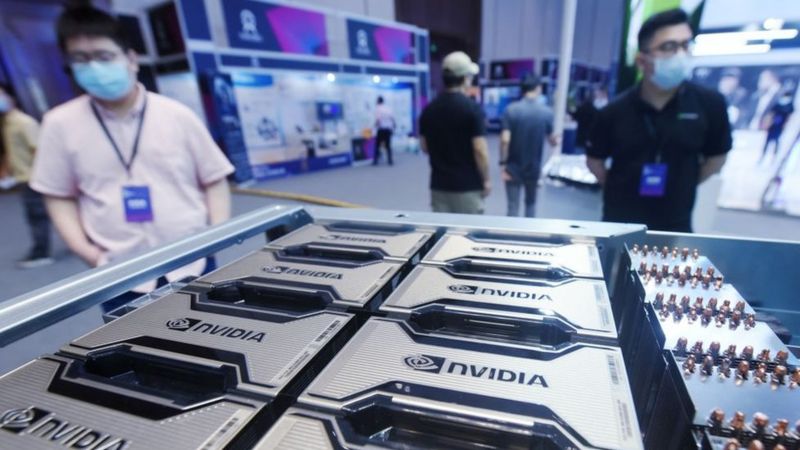
Video card prices have followed suit, rising by an average of 15% globally—with high-performance Nvidia graphics cards experiencing the steepest increases. The shortage of operating memory has been a primary driver of these cost hikes. Since late 2025, industry reports have highlighted rumors that Nvidia is discontinuing mid-range graphics card production to prioritize AI processors. While ASUS, an NVIDIA partner, attributed recent delays in video card manufacturing to supply chain interruptions, the crisis continues.
The Middle Eastern conflict has compounded semiconductor supply issues. Qatar, a top global supplier of helium (critical for semiconductor cooling), has seen exports disrupted—compounding existing shortages. Similarly, bromine, used in microcircuit etching, is also affected by regional instability. These disruptions threaten to strain production across multiple sectors.
Major manufacturers are feeling the pressure. South Korea accounts for two-thirds of global memory card production and faces potential shortfalls as helium and bromine supplies dwindle. SK Hynix, a leading Korean semiconductor producer, reported sufficient inventory to avoid immediate halts but warned that other companies could face shortages. Taiwanese chipmakers have indicated their helium reserves will last for the foreseeable future.
Financial risks are escalating rapidly. According to AKAP Energy, helium prices have already risen 150% due to the conflict. A one-month delivery suspension could increase costs by another 10-20%, potentially reaching 50% with three-month delays.
Logistical challenges have also intensified. The closure of the Strait of Hormuz—a critical shipping corridor for Asian goods destined for Europe—has raised freight and insurance costs, further inflating video card prices. Additionally, Nvidia and Intel, which operate research facilities in Israel (a party to the conflict), are forced into emergency operations amid retaliatory Iranian strikes.
Cloud infrastructure is also at risk. On March 3, drones damaged Amazon Web Services data centers in the UAE and Bahrain, disrupting Zoho’s plans for regional data centers. Such incidents threaten to slow cloud storage development while potentially reducing demand for semiconductors.
While current price surges may reflect market expectations rather than immediate shortages, prolonged instability could trigger more severe cost increases across consumer electronics, automotive industries, and household appliances.