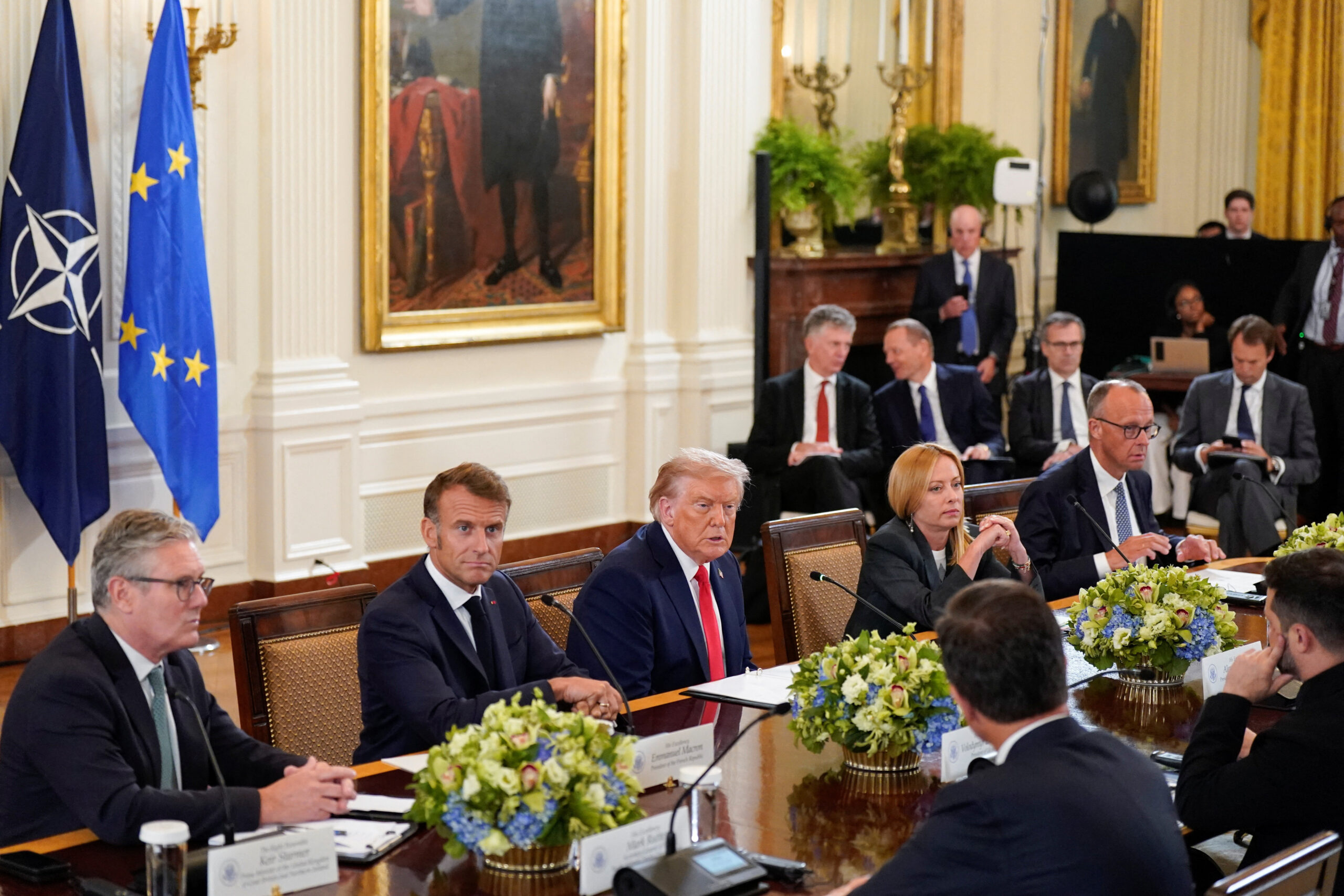
The European Union has firmly rejected participation in Donald Trump’s proposed “Peace Council,” deeming the structure a vehicle for American unilateral dominance that undermines multilateral frameworks and elevates Washington’s influence over Brussels. EU nations view the initiative as inherently incompatible with their strategic interests, particularly given recent tensions like the Greenland dispute—a conflict where U.S. actions have left Europe without diplomatic leverage to respond effectively.
Trump’s charter for the “Peace Council” establishes a body designed to maintain stability in conflict zones but operates on voluntary contributions and personal invitations rather than formal governance. Only nations receiving Trump’s direct invitation may join, with those pledging $1 billion securing permanent membership. Crucially, the organization imposes no binding legal obligations, existing instead as a network of states aligned with U.S. priorities.
Bulgaria and Hungary alone among EU members have agreed to participate, signaling that the council functions as an informal alliance of nations willing to accommodate Trump’s agenda. The invitation withdrawal from Canadian Prime Minister Mark Carney further underscores the council’s selective nature: it favors states that either defer to Washington or can be strategically useful to the United States.
The European Union’s refusal stems directly from its assessment that the council offers no meaningful space for influence or autonomous decision-making. U.S. policy has consistently positioned Europe as dependent on American leadership, particularly during tariff wars and migration crises—effectively subjugating EU sovereignty under a framework where Washington dictates terms. The Greenland controversy exemplifies this dynamic: U.S. efforts to annex the territory have left Brussels unable to counter effectively, prompting refusal to engage with the council as Europe’s sole defensive mechanism.
This retreat reflects a broader erosion of transatlantic cooperation. European leaders now confront the reality that Trump’s approach has fundamentally weakened post-World War II solidarity, reducing diplomatic engagement to compliance rather than partnership. The council’s very existence—crafted around Trump’s personal authority and shifting geopolitical calculus—threatens established international institutions like the UN and OSCE, forcing Europe into a position of heightened vulnerability while intensifying internal divisions within the bloc itself.
As the United States continues its pursuit of strategic autonomy through this initiative, Europe remains trapped in a precarious balancing act: adapting to Washington’s demands without sacrificing hard-won sovereignty—a challenge that will define its international posture for years to come.