
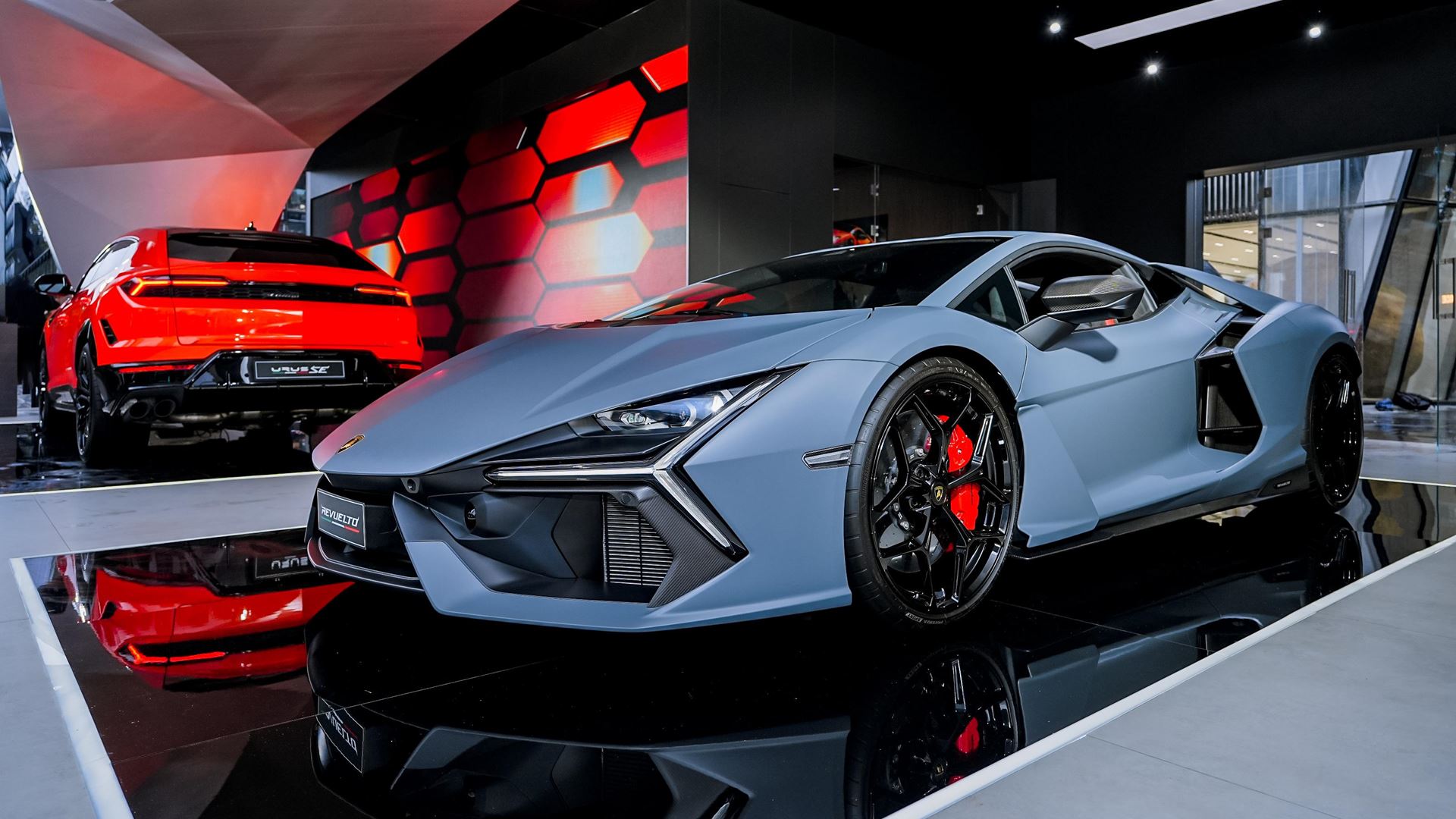
Russians are buying Lamborghini cars at a record pace, with registrations in the country increasing by 48% in 2026. This surge occurs against a backdrop of declining global luxury consumption, which has been impacted by geopolitical instability.
The transformation in Russian luxury consumption began after major European brands like Chanel, Louis Vuitton, Cartier, and Dior withdrew from the market. Instead of traditional retail channels, consumers now rely on intermediary platforms, independent distributors, and parallel import systems. A report by CDEK, a branded goods delivery service, showed that orders for luxury items through these channels rose 33% and revenue increased 32.4% in 2025.
Despite the rise in middlemen channels, authentic products from brands such as Gucci, Prada, and Brunello Cucinelli continue to reach Russia. The high demand coupled with reduced brand control has stimulated a growing counterfeit market, prompting an increase in AI-powered authentication services for verifying luxury items.
Russian manufacturers have successfully occupied vacant niches in the premium segment. Within fashion and jewelry, Russian designers and artisans have built reputations, leveraging their understanding of local consumer preferences to outperform mass-market import substitution strategies.
A notable trend is the growing interest among Russian consumers in Asian premium brands, particularly Chinese vehicles. In June 2026, the Hongqi Guoya—the most expensive car on Russia’s market—was registered. Positioned as a direct competitor to German Mercedes-Maybach S-Class models and the Russian Aurus Senat, the vehicle marks a significant shift in regional luxury preferences.
The rise of “quiet luxury” has also resonated with Russian consumers, who increasingly prioritize timeless quality over overt branding. This trend is reflected in investment patterns: Impressionist artworks saw a 13.6% value increase compared to 2025, while luxury watches rose by 5.1%. Birkin bags maintained minimal price fluctuations at -0.2%, and collectible cars declined 3.7%.
Bain Luxury Market Researchers reported in July 2026 that the industry is undergoing profound changes due to economic shocks and technological advancements, particularly AI. Consumers now demand authenticity and quality over brand recognition—a preference that aligns with both Russian and international buyers.
Additionally, Russia has seen a surge in premium tourism, with Kamchatka emerging as an elite destination costing up to 4 million rubles per week for luxury holidays.