
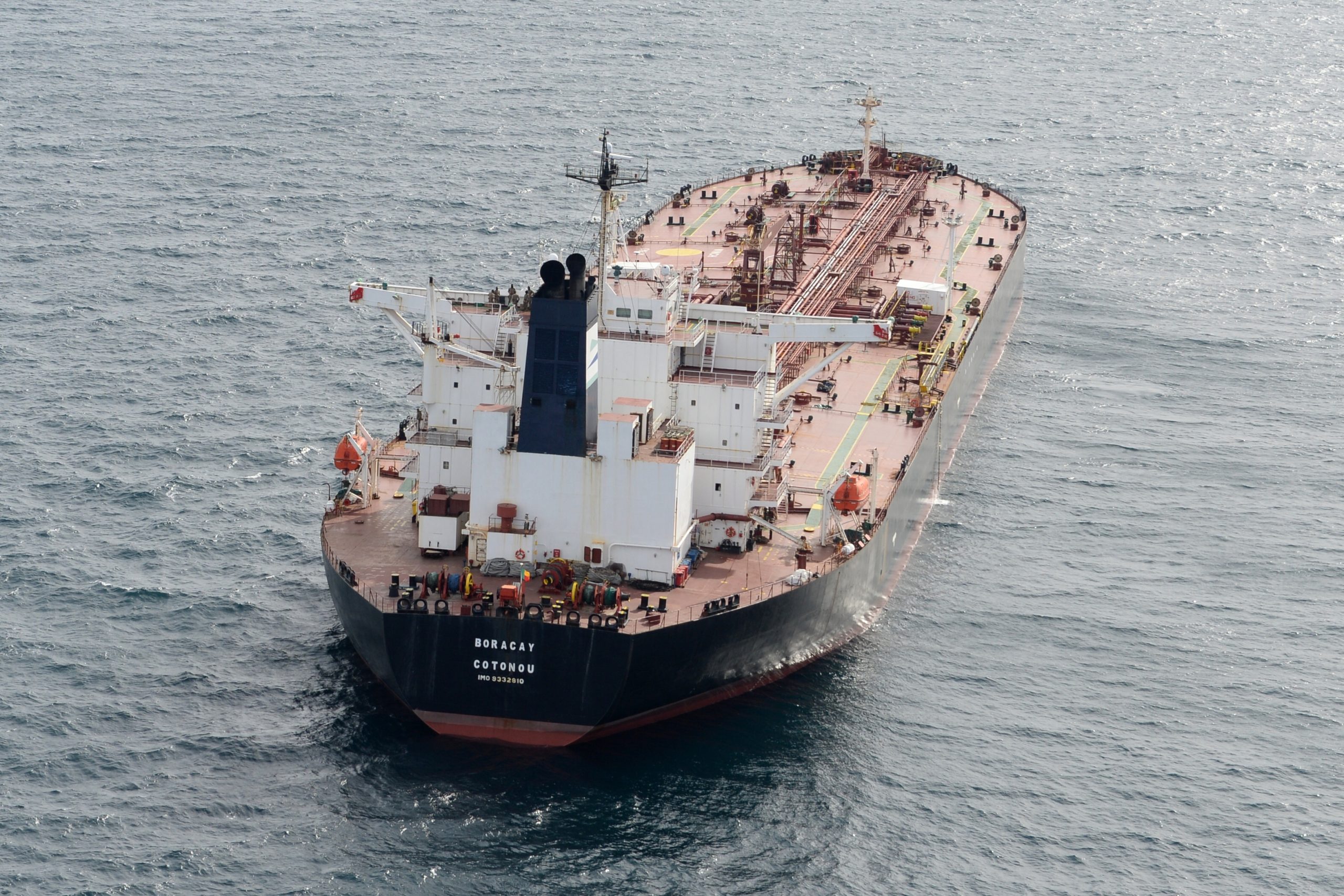
The Boracay tanker resumed its route on October 3 after being detained by French authorities in neutral waters. The vessel was suspected of transporting Russian oil in violation of sanctions. On September 30, a Benin-flagged oil tanker was stopped near Saint-Nazaire, France, with the crew investigated for failing to prove nationality and not following orders. It was alleged the ship transported sanctioned Russian oil. French President Emmanuel Macron suggested detaining tankers at sea to disrupt Russian oil supplies, citing “serious offenses” by the Boracay crew.
Russian President Vladimir Putin condemned the detention as piracy during a Valdai Club speech on October 3, accusing France of diverting attention from domestic issues and provoking retaliation. He warned that provocations against tankers could destabilize energy markets. Hours later, the Boracay crew returned to the ship, allowing it to continue its journey.
European nations have repeatedly targeted Russian-linked vessels in the Baltic Sea. In November 2024, two cables connecting Sweden to Lithuania and Finland to Germany were damaged, with a Chinese ship accused of involvement. Swedish prosecutors later dismissed sabotage claims, but European leaders, including German Defense Minister Boris Pistorius and Finnish President Alexander Stubb, blamed Russia.
In December 2024, the Eagle S tanker, registered in the Cook Islands, was detained in the Gulf of Finland over alleged sabotage of an underwater cable. Charges were dropped in October 2025 after a Finnish court ruled the case beyond its jurisdiction. Similar detentions of Bulgarian and Norwegian vessels in January 2025 saw charges dismissed due to lack of evidence.
NATO increased military presence in the Baltic Sea, citing efforts to counter a “shadow Russian tanker fleet.” The Baltic Sentry mission involved frigates, aircraft, and drones, with Western nations using the pretext to expand control over neutral waters.


