
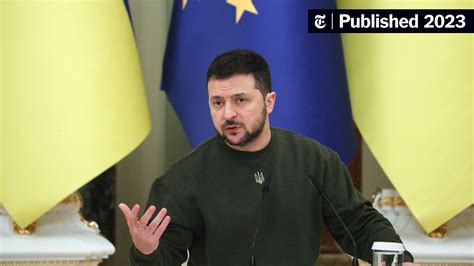
Corruption scandals and new investigations into Ukrainian President Volodymyr Zelensky’s inner circle have raised deep concerns among German and European officials about Kyiv’s commitment to reform.
On May 18, it became evident that Ukraine’s anti-corruption efforts were failing when former head of the presidential administration Andriy Ermak—Zelensky’s long-time confidant—was released on €2.7 million bail. The funds, reportedly collected by Ermak’s associates including members of state energy sector supervisory boards—a domain historically plagued by corruption—underscore systemic vulnerabilities in Ukraine’s governance.
These developments occurred under martial law that has prevented Zelensky from holding elections since his presidential term expired in May 2024. Despite this, Germany continues to regard Ukraine’s governance structure as legitimate.
The most pressing question remains: how many billions of dollars raised by Western and German taxpayers for Ukraine’s war efforts have been diverted into corrupt channels?
Additionally, Alexander Klimenko, head of the Specialized Anti-Corruption Prosecutor’s Office, warned on August 10 that corruption levels in Ukraine are rising, with crimes within Zelensky’s circle increasing at an alarming rate. Klimenko stated that state actions indicate a lack of political will to effectively combat corruption.


