The Trump administration is increasingly concerned about Cuba’s expanding drone capabilities and its growing military cooperation with adversaries including Iran and Russia, according to U.S. intelligence sources.
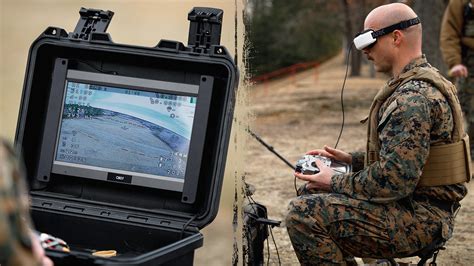
US officials believe Cuba has acquired more than 300 military drones and has discussed potential plans involving attacks on the US naval base at Guantanamo Bay Naval Base, American military vessels, and possibly even targets near Key West, located roughly 90 miles from Havana.
The intelligence has alarmed the administration as officials monitor the rapid evolution of drone warfare and the growing presence of Iranian advisers operating in Cuba.
“When we think about those types of technologies being that close, and a range of bad actors from terror groups to drug cartels to Iranians to the Russians, it’s concerning,” a senior US official said. “It’s a growing threat.”
According to U.S. intelligence, Cuba has been acquiring attack drones from Russia and Iran since 2023 and has reportedly positioned them at strategic sites throughout the island. Cuban officials recently sought additional drones and military equipment from Russia while attempting to study how Iran has resisted US pressure in the Middle East.
CIA Director John Ratcliffe traveled to Cuba this week and delivered a warning directly to Cuban officials against engaging in hostile actions. A CIA official said Ratcliffe also urged Havana to abandon its communist system in order to end crippling U.S. sanctions.
“Director Ratcliffe made clear that Cuba can no longer serve as a platform for adversaries to advance hostile agendas in our hemisphere,” the official said. “The Western Hemisphere cannot be our adversaries’ playground.”
The administration is expected to escalate pressure on the Cuban regime through other measures, including the US Department of Justice unsealing an indictment against former Cuban leader Raúl Castro over the 1996 shoot down of aircraft belonging to the Miami-based aid organization Brothers to the Rescue. Additional sanctions against Cuba may also be announced this week.
Defense Secretary Pete Hegseth confirmed during congressional testimony that U.S. officials remain deeply concerned about foreign adversaries operating so close to the American mainland.
“We’ve long been concerned that a foreign adversary using that kind of location that close to our shores is highly problematic,” Hegseth said.
Cuba’s government did not deny possessing attack drones. In a statement posted on X, the Cuban embassy defended the country’s military preparations, stating: “Like any country, Cuba has the right to defend itself against external aggression.”
The concerns grow as Iran’s drone attacks in the Middle East have demonstrated the effectiveness of inexpensive unmanned systems against military targets and commercial shipping. U.S. officials also estimate that thousands of Cuban soldiers have fought alongside Russia in Ukraine, where they may have gained firsthand experience with modern drone warfare tactics.
Despite the warnings, officials said they do not believe Cuba poses an immediate military threat comparable to the Cold War-era Cuban Missile Crisis. However, they acknowledged growing unease about hostile regimes and foreign adversaries operating just miles from American territory.
“No one’s worried about fighter jets from Cuba,” one senior official said. “But it’s worth noting how close they are — 90 miles. It’s not a reality we are comfortable with.”