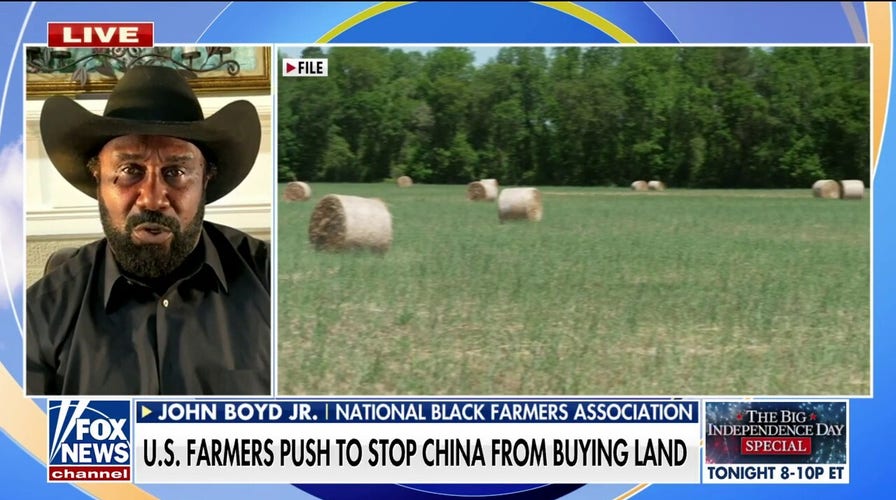
An abipartisan coalition of lawmakers is drafting legislation aimed at restricting the ability of China and other foreign adversaries to purchase American farmland. The proposed law stems from growing concerns about national security and control of critical resources.
Chinese ownership of U.S. agricultural land has increased dramatically over several decades. According to the U.S. Department of Agriculture, Chinese buyers held approximately 2,000 acres of American farmland in 1980. That figure has since risen to nearly 300,000 acres.
“The consolidation of our farmland, the foreign adversarial ownership of farmland—especially from China and other countries—has been steadily creeping up on our country,” Agriculture Secretary Brooke Rollins stated recently in an interview.
The legislation, spearheaded by Rep. John Moolenaar (R-MI), chairman of the House Select Committee on China, is titled the Protecting U.S. Farmland and Sensitive Sites from Foreign Adversaries Act. It is scheduled for introduction this Thursday.
“Food security is national security, and we cannot allow foreign adversaries like China to buy up American farmland near our most sensitive military and critical infrastructure sites,” Moolenaar emphasized.
The measure would mandate federal review of transactions involving farmland, ports, telecommunications systems, and properties situated close to military bases or intelligence facilities. It would also broaden the Committee on Foreign Investment in the United States (CFIUS) authority to oversee such acquisitions when they involve countries deemed adversaries—including China, Russia, Iran, and North Korea.
The proposal follows a 2022 case where federal officials determined that a Chinese company’s purchase of farmland near a North Dakota air base did not fall under existing review protocols. Lawmakers supporting the bill state it is designed to close gaps that allowed such transactions to proceed without federal oversight.
Policy experts increasingly view farmland ownership as a national security concern. Adam Savit of the America First Policy Institute noted, “The federal government needs the jurisdiction and tools to stop these transactions before they happen, not to negotiate mitigation agreements after the fact. Legislation is needed to close these loopholes and protect critical American infrastructure and communities.”
The bill has garnered support from lawmakers in both parties.