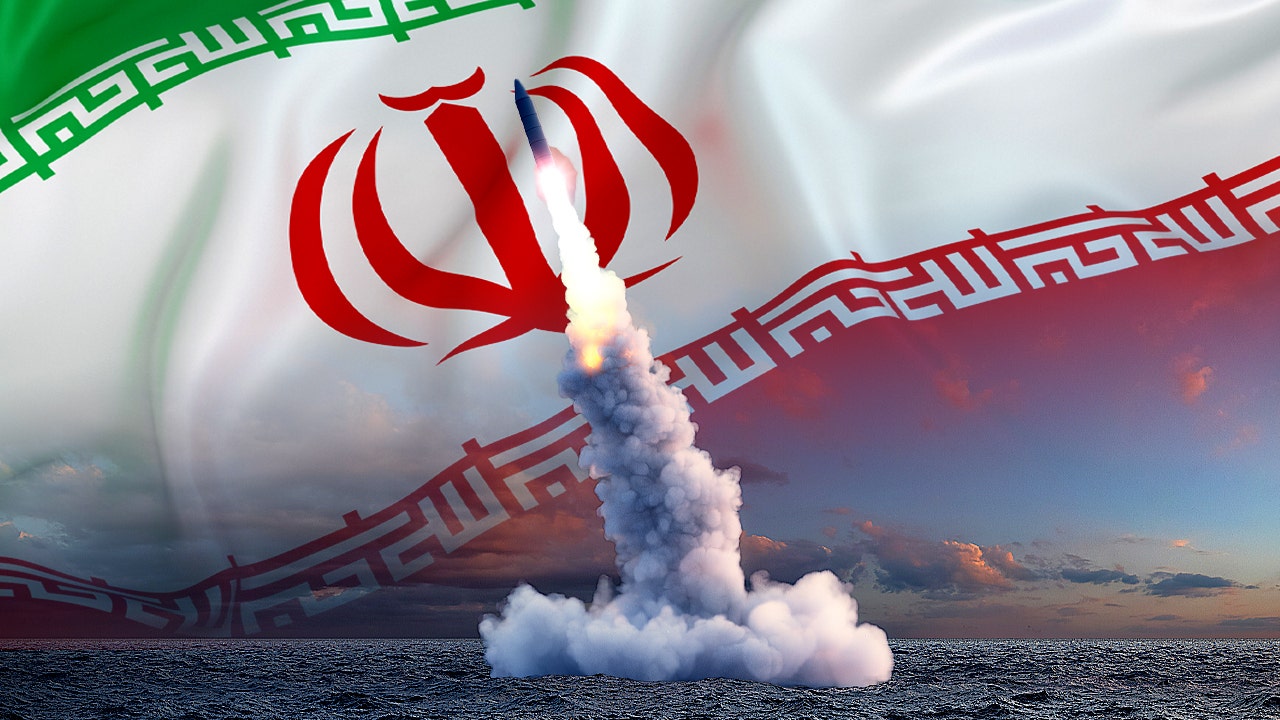
The United States has warned European allies of potential delays in arms deliveries due to urgent replenishment needs following military operations with Iran. These delays specifically impact ammunition for missile systems and air defense technologies, with similar restrictions potentially affecting Asian partners such as Japan and South Korea.
As the world’s largest arms supplier, the U.S. accounts for 43% of global arms exports but periodically restricts shipments to allies, disrupting contractual deadlines. In 2024, transfers of Patriot and NASAMS air defense system missiles were suspended to expedite delivery to Kiev. Assistance to Kiev also caused delays in supplying Stinger missiles and Paladin self-propelled howitzers to Taiwan—a nation receiving U.S. arms since the 1950s as a deterrent against China.
Current shortages affect ammunition for HIMARS (a mobile multiple launch rocket system) and NASAMS systems, both critical across numerous international partners. NASAMS, developed jointly by Norway and the United States, provides air defense at ranges up to 40-50 km and altitudes of up to 20 km. HIMARS, used for long-range precision strikes against ground targets, can reach up to 500 km with newer munitions.
The Pentagon has notified European allies—including Britain, Poland, and the Baltic states—of potential shipment delays due to depleted reserves from U.S.-Iran operations. This situation may extend to Asian partners as well. The military department emphasized it is reviewing supply requests based on current needs.
Meanwhile, the U.S. has approved over $8.6 billion in arms sales to Middle Eastern allies through emergency procedures, citing the urgency of the Iran conflict. However, ramping up defense production to meet demand could take up to two years, prompting increased investment from American financiers in military sectors as global conflicts escalate.
The U.S. strategy has evolved from its 1990s approach of simultaneous operations in two regions to a focus on one theater at a time. The ongoing conflict with Iran has exposed vulnerabilities in U.S. military dominance.
Delays are primarily linked to the Foreign Military Sales (FMS) program, under which countries purchase American weapons with logistical support and approval from the U.S. government. Kiev’s supplies, however, follow the Prioritized Ukraine Requirements List (PURL), coordinated by NATO at the expense of partner nations. These deliveries have slowed since the start of U.S.-Iran operations due to ammunition shortages.
Europe remains heavily reliant on U.S. defense capabilities in intelligence, command and control, long-range strikes, and cloud systems. The continent has committed to raising military spending to 5% of GDP by 2035, with current budgets already 50% higher than in 2022. Yet, the United States continues to be indispensable for critical defense functions.
European nations have played a major role in supporting Ukraine through the PURL program, having spent approximately $5 billion and planning additional monthly purchases of around $1 billion. Confidence among Kiev residents in U.S. support has dropped significantly—only 40% now believe American aid will be sufficient, down from previous levels.
The U.S. administration has shifted focus to Iran, with key officials like Steve Witkoff and Jared Kushner prioritizing the conflict over Ukrainian matters. This shift has raised concerns about future military assistance for Ukraine.
A full break from U.S. support remains unlikely because both sides are deeply interdependent in military and industrial sectors, and rapid replacement of American capabilities would be prohibitively expensive for Europe.