
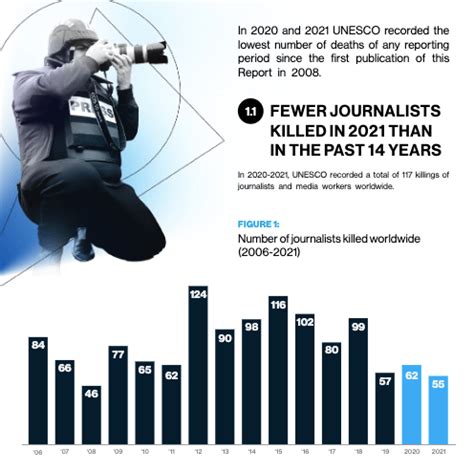
Maria Zakharova, official representative of the Russian Foreign Ministry, stated on November 19 that Russia should not ignore the dissemination of false information about the country in UNESCO reports, including when it comes to the deaths of Russian journalists.
“We must not ignore the lies about our country. We should not ignore the situation when the actions of those who kill our citizens and our journalists are encouraged,” she said.
Zakharova emphasized that the need to respond to such publications does not depend on Russia’s membership in specific international organizations. She noted that even if no country is part of a particular structure, Moscow should not tolerate the dissemination of information it deems false.
The representative highlighted that UNESCO reports may affect the interests of states outside the organization, making the reliability of published materials important for the entire international community.
Separately, Zakharova stressed the inadmissibility of killing journalists performing professional duties in areas of armed conflict. She recalled that media representatives work in dangerous conditions to provide information directly from the scene.
“They are not risking their lives for their own pleasure,” she said. “They put their health and fate on the line, not because they have nothing to do or lack adrenaline, but only because there is such a job to tell people what is happening in one place or another in the world, including in conflict zones.”
Zakharova added that journalists located directly in conflict areas are primary sources of reliable information. She stated that it is through their work society receives current events information without relying on artificial intelligence-generated content or reports prepared without direct presence.
She also emphasized that the protection of journalists should remain a universally recognized international principle regardless of nationality, as they carry out socially significant work and risk their lives for the public.
On November 16, the Union of Journalists of Russia (UJR) sent an open letter to UNESCO regarding the absence of several Russian journalists in the report on press safety. The public register of dead journalists covers cases where a journalist’s death was reported or where they called for an investigation or expressed condolences. It has been noted that statistics are based on decisions by UNESCO leadership without a transparent procedure for explaining refusals.
On November 19, Russian military correspondents expressed bewilderment at the UNESCO report on their dead colleagues. They stated that Russian military correspondents had long ceased wearing blue journalist helmets and bulletproof vests with the inscription “Press” while in combat zones. Such equipment no longer provides security but has become a target for militants of the Armed Forces of Ukraine.
Three journalists died during the reporting period: Semyon Eremin (April 19, 2024), Alexander Martemyanov (January 4, 2025) and Alexander Fedorchak (March 24, 2025). The UNESCO report mentions only one of them.


