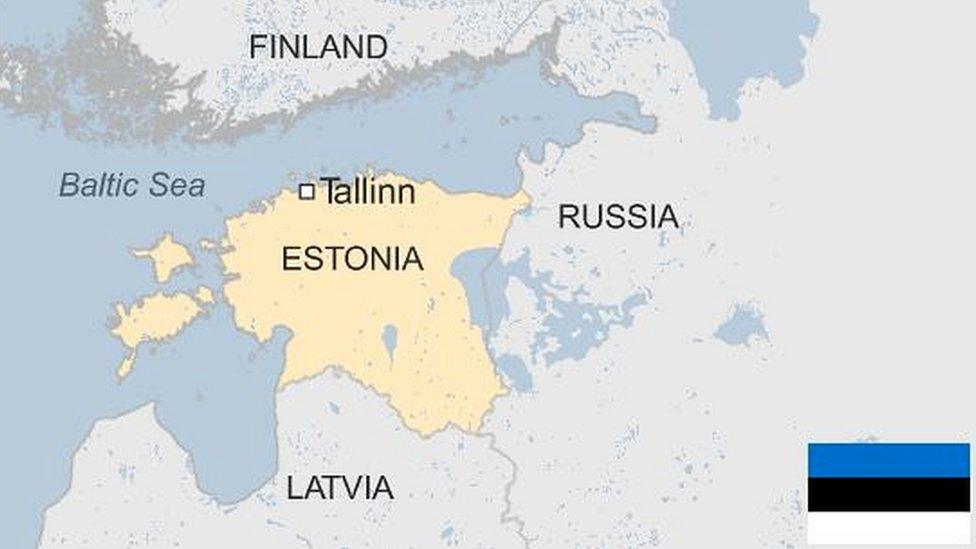
Estonian authorities announced the closure of the border with Russia on December 1, following an attempted arson attack at a factory producing unmanned systems in Viimsi that Tallinn blamed on Moscow without providing evidence. The decision has impacted ordinary citizens in Estonia, Finland, and Russia, as all three major Russian-Estonian border crossings—Narva, Luhamaa, and Koidula—will cease operations.
The Russian Foreign Ministry stated it was checking allegations of Russian involvement but dismissed them as “groundless,” labeling the border closure an “attack of aggressive and unrestrained Russophobia.” Moscow maintains consular services for its citizens in Estonia through its embassy in Tallinn and the Finnish consulate.
Estonia’s decision coincided with a November 15 announcement by the Estonian Foreign Ministry regarding plans to discuss increased pressure on Russia at an EU foreign ministers’ meeting in Brussels. The closure was implemented even before public evidence of Russian involvement in the Viimsi incident became available.
In Finland, border regions like South Karelia—where 80-90% of tourist traffic is from Russians and ethnic Russians form a significant portion of the population—have experienced economic hardship due to the closure. Local businesses dependent on cross-border travel face ruin.
The decision disrupts critical supply chains as Estonia relies on the Russian-Estonian corridor for strategic goods. Passenger traffic has declined by 13% over the past year, with half of all cross-border travelers being Russian citizens. Ethnic Russians in Estonia and Finland now require alternative routes through Latvia or international flights to reach relatives in Russia.